Introduction
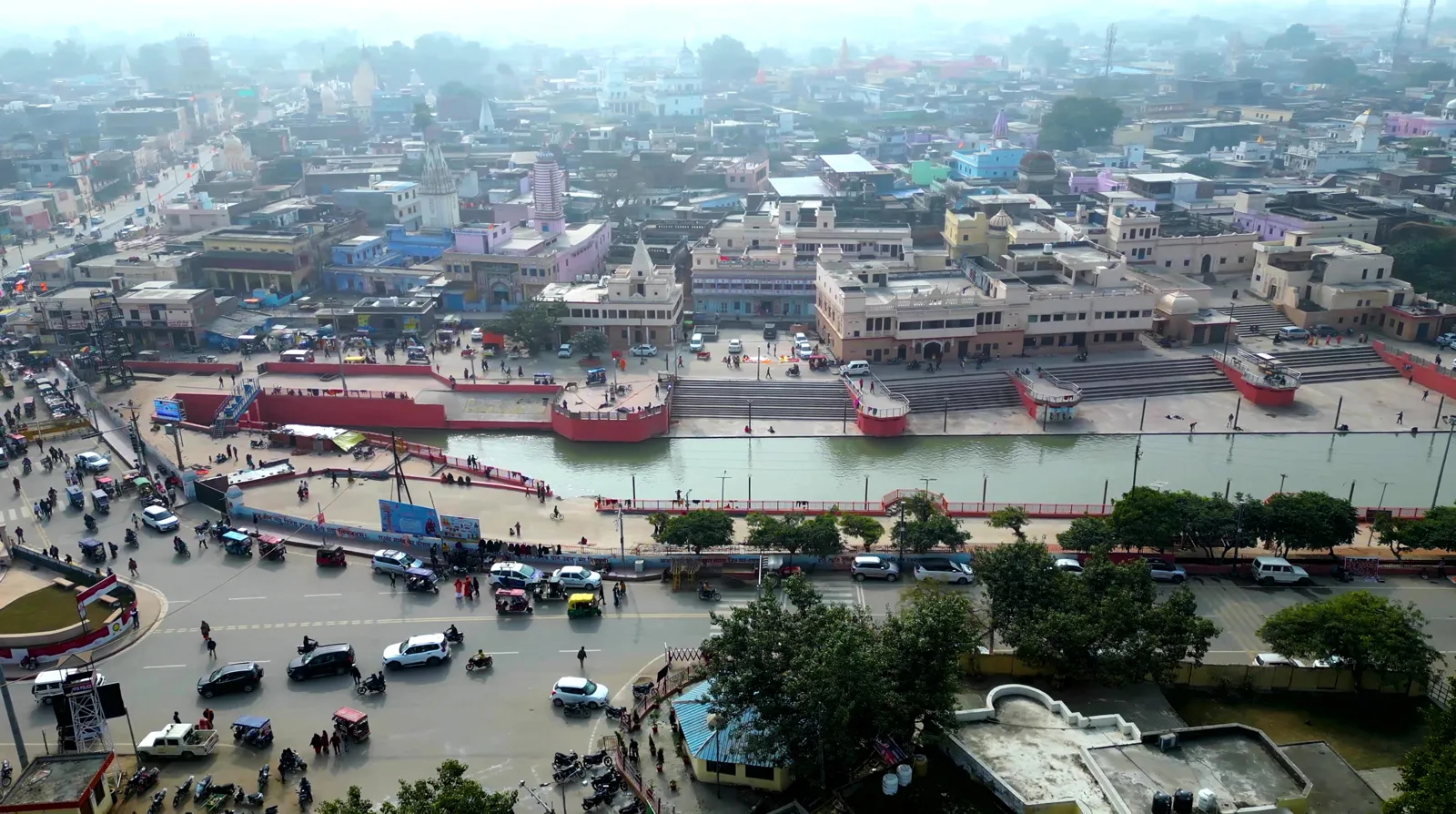
Ayodhya, situated on the banks of the Sarayu River in Uttar Pradesh, is one of India's most significant pilgrimage and cultural destinations. The city is deeply connected with the Ramayana and is traditionally regarded as the birthplace of Lord Rama.
Beyond its religious importance, the city has a long and fascinating history. Ancient Buddhist and Jain texts mention Saketa, a historic settlement generally associated with present-day Ayodhya. Over the centuries, the city developed as an important centre of religion, culture and pilgrimage.
Today, visitors come here not only for the temples but also to experience the ghats of the Sarayu, traditional culture and the rapidly developing tourism infrastructure.
Why Is Ayodhya Important?
The importance of the city comes from its connection with the ancient Kosala kingdom and the Ramayana tradition.
According to the epic tradition, Ayodhya was the capital of the Ikshvaku dynasty and the kingdom associated with King Dasharatha and Lord Rama.
The city is also significant in Buddhist and Jain history. Early Buddhist and Jain texts refer to Saketa as an important settlement, and historical sources indicate that the area had religious activity associated with different traditions.
This combination of mythology, history and living religious traditions makes the city an important destination for pilgrims and travellers.
A Brief History of Ayodhya
The history of Ayodhya goes back many centuries.
Archaeological and literary evidence suggests that the area had developed into an urban settlement by around the 5th or 6th century BCE. Ancient Buddhist texts describe Saketa as an important city in the Kosala region.
Jain texts also mention Saketa and connect the city with several important figures and religious traditions.
During the Gupta period, the name Ayodhya became increasingly associated with the legendary city described in the Ramayana. Historical sources from this period mention Ayodhya as an important centre of the Kosala region.
The city subsequently came under the influence of different dynasties and political powers. Its religious importance continued even when its political importance changed over time.
From the medieval period onwards, pilgrimage became an increasingly important part of the city's identity.
The historical relationship between Saketa and Ayodhya is discussed differently by historians. One view identifies the ancient Saketa with present-day Ayodhya, while another theory suggests that the legendary name Ayodhya was later applied to the historical settlement.
Ayodhya and the Ramayana
Few cities in India have a cultural connection with the Ramayana as strong as Ayodhya.
The epic tradition describes the city as the capital of the Ikshvaku rulers. Lord Rama, his family and the events surrounding his life are central to the religious identity of the city.
For devotees, visiting the city is therefore more than ordinary sightseeing. Temples, ghats and religious sites are connected with stories and traditions that have been passed down through generations.
The annual celebration of Ram Navami is particularly important, attracting devotees who come to participate in religious ceremonies and celebrations.
Ram Mandir
Shri Ram Janmabhoomi Mandir
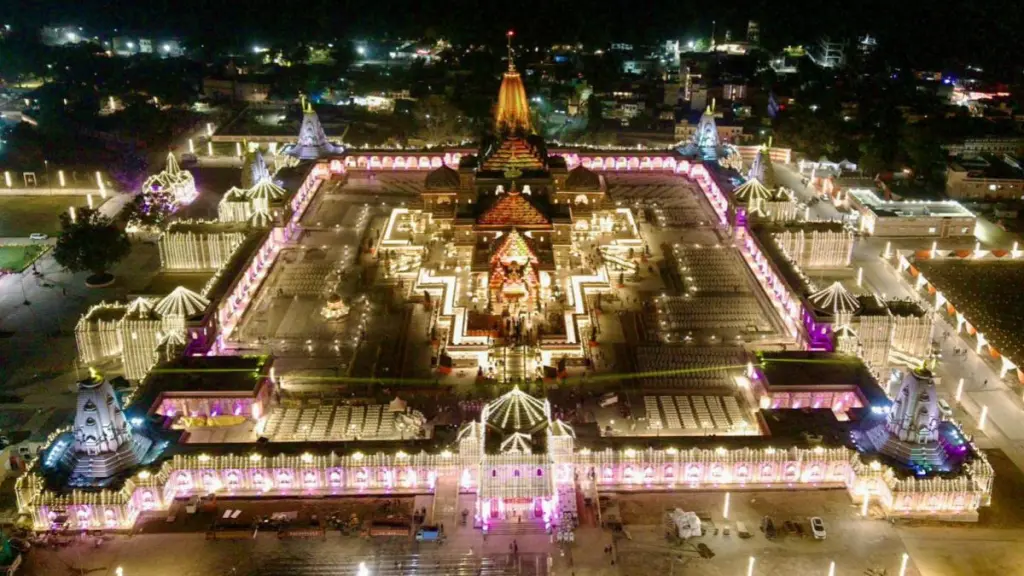
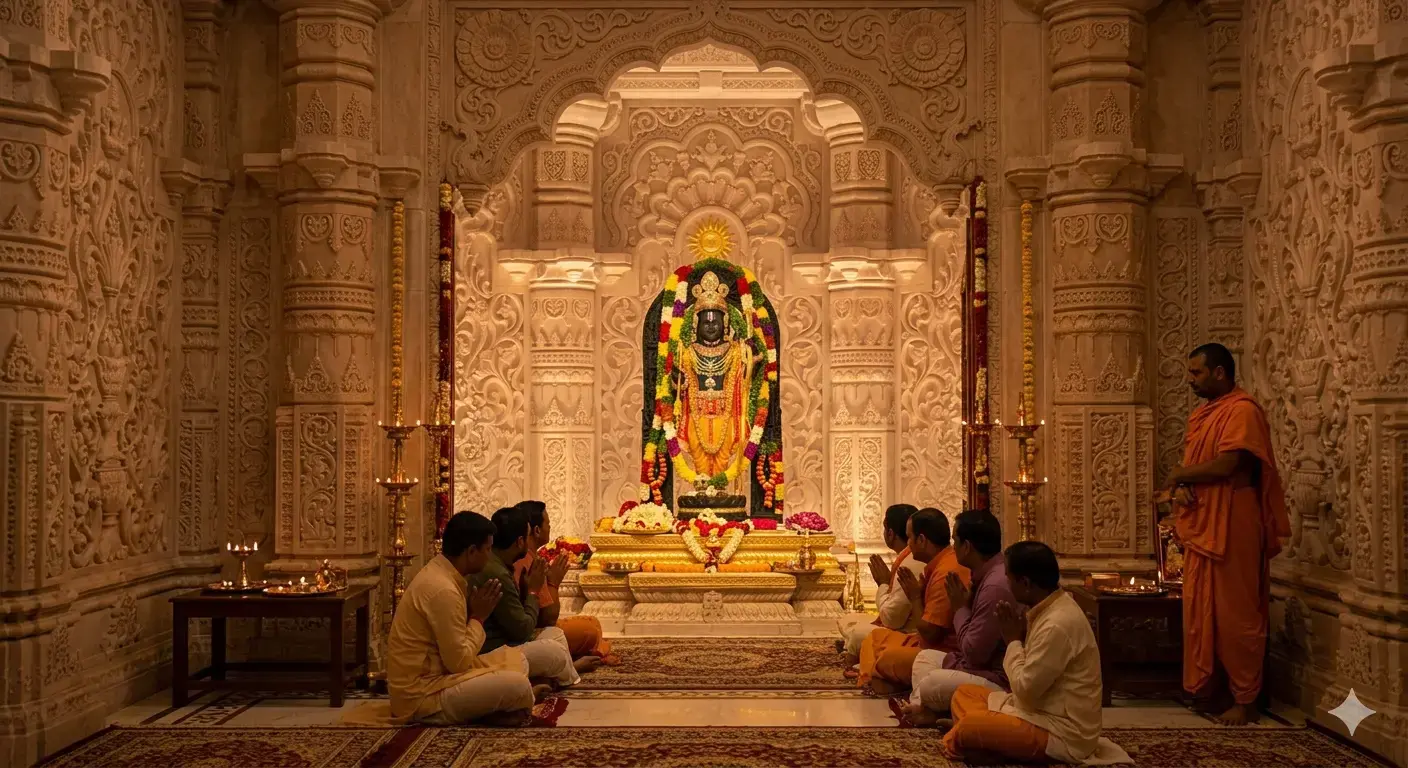
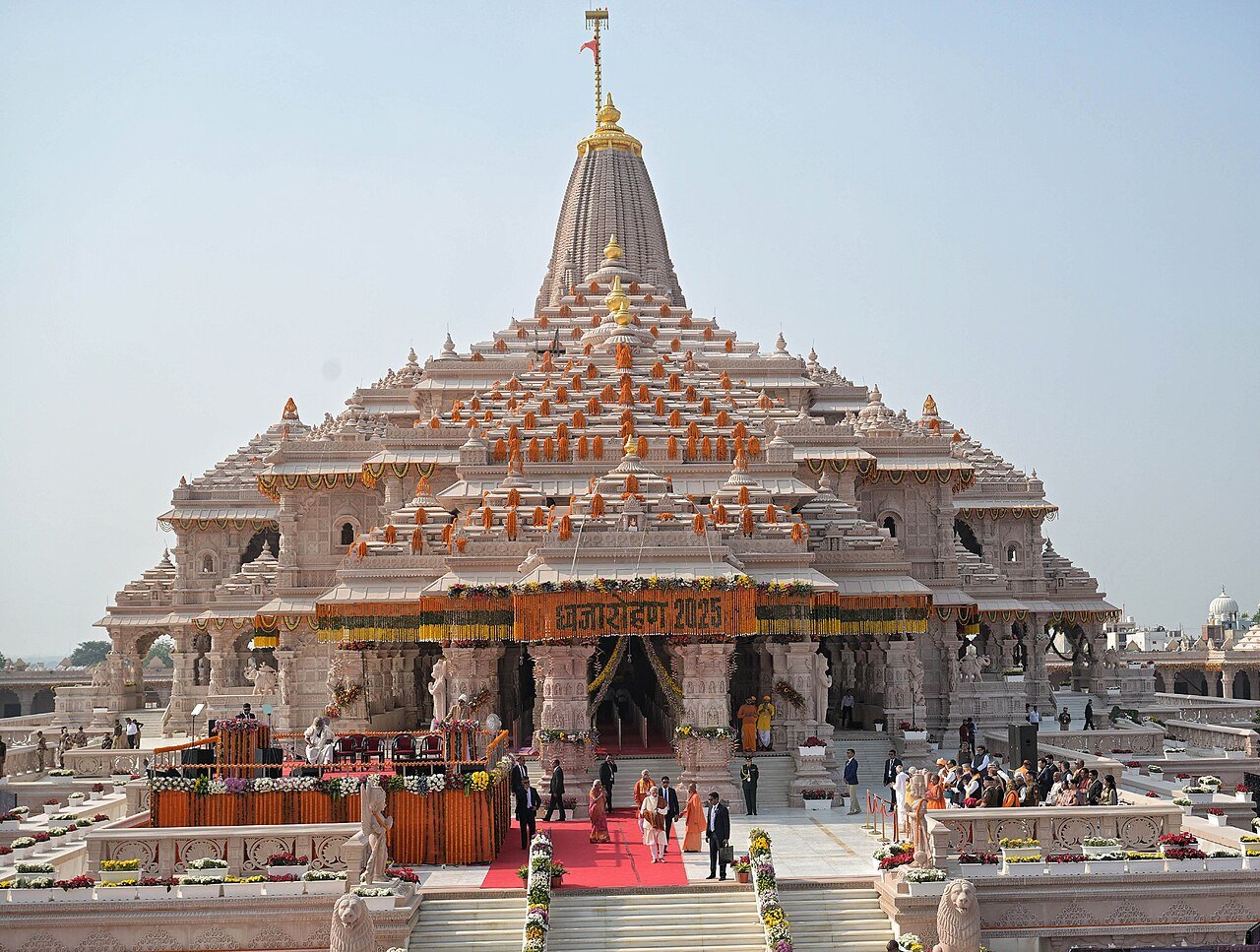
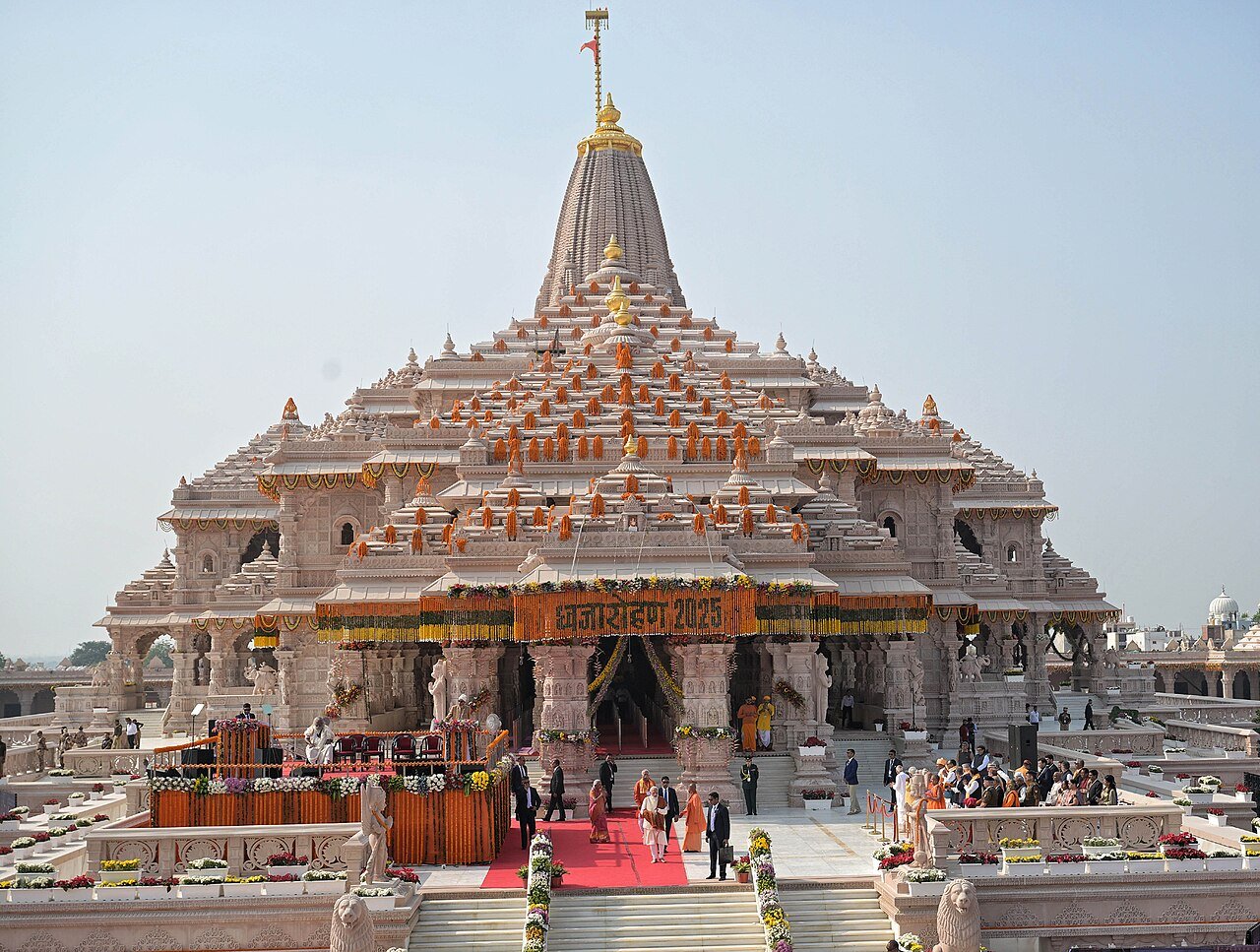
The Ram Mandir, also known as Shri Ram Janmabhoomi Mandir, is now the most prominent religious landmark in the city.
The temple is located at the site traditionally regarded by many Hindus as the birthplace of Lord Rama. The temple's Prana Pratishtha ceremony was held on 22 January 2024.
The development of the temple has also contributed to a major transformation in the city's tourism and pilgrimage infrastructure.
For many visitors, darshan at the temple is the central purpose of their journey.
Maharishi Valmiki International Airport
Ayodhya Airport
Travelling to the city has become easier with the development of Maharishi Valmiki International Airport, Ayodhyadham.
The airport has:
-
IATA Code: AYJ
-
ICAO Code: VEAY
The airport developed from an existing airstrip that had previously been used by the Indian Air Force and later for private aircraft.
Construction of the new airport began in February 2022. It was inaugurated on 30 December 2023, and commercial flight operations began on 10 January 2024.
The first commercial flight was operated by IndiGo.
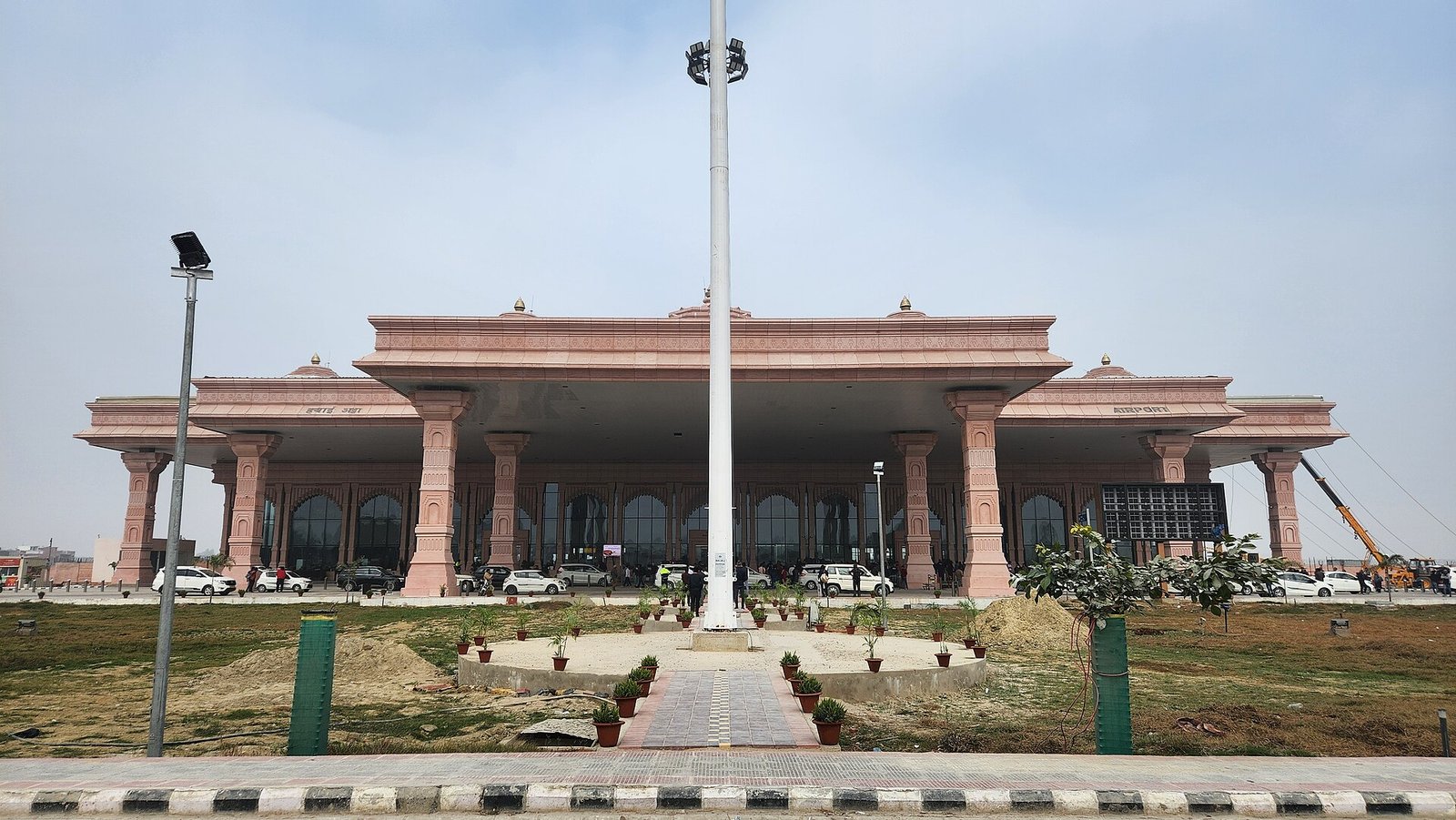
Airport Terminal and Architecture
The first terminal covers approximately 6,500 square metres and was designed to handle around 300 passengers during peak hours and approximately one million passengers annually.
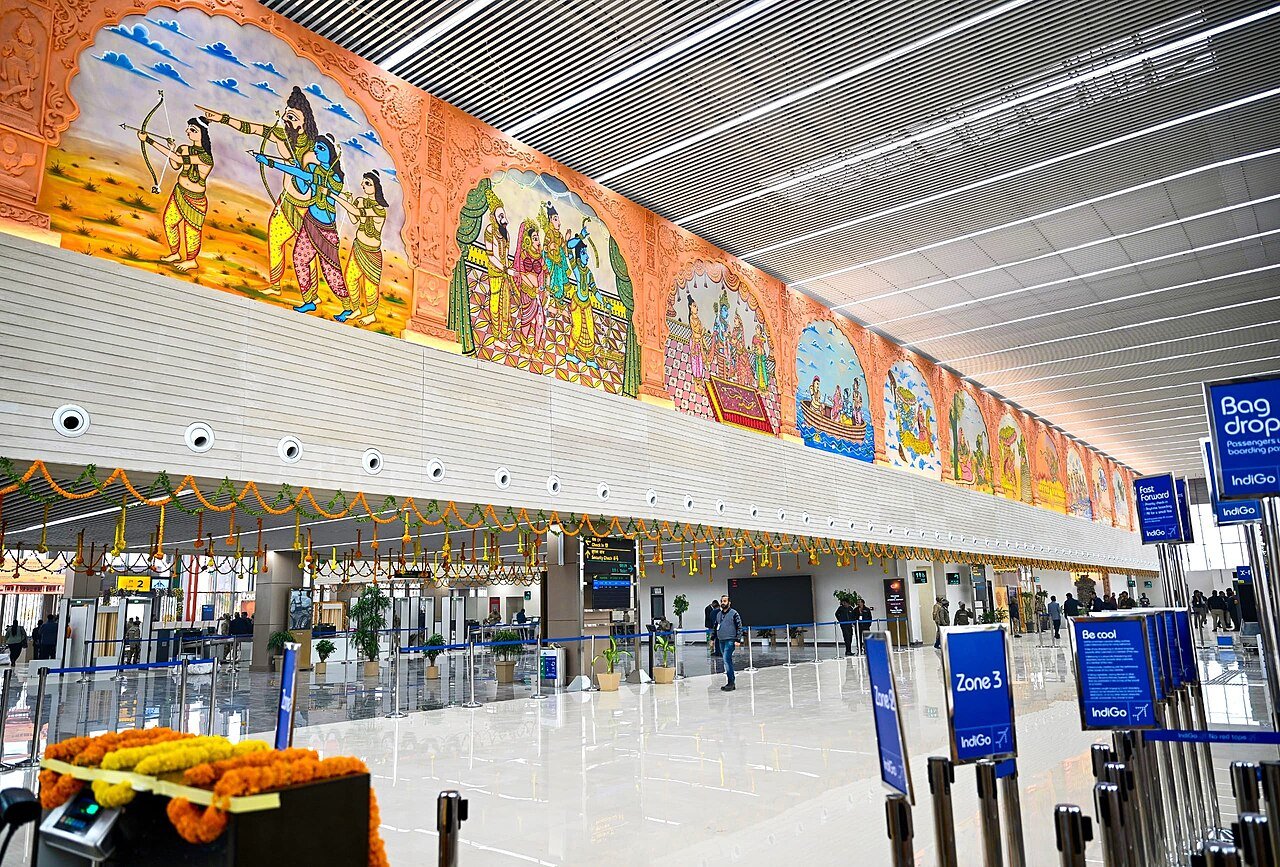
The terminal's design reflects the cultural heritage of the region.
Visitors can see artwork inspired by the Ramayana, along with traditional Indian artistic and architectural elements. The design incorporates features associated with temple architecture and local cultural traditions.
The airport also includes passenger facilities such as check-in counters, baggage conveyor belts, lounges, vehicle parking and other supporting infrastructure.
Famous Places to Visit
A pilgrimage to Ayodhya does not end at Ram Mandir. The city has several other religious and cultural sites worth visiting.
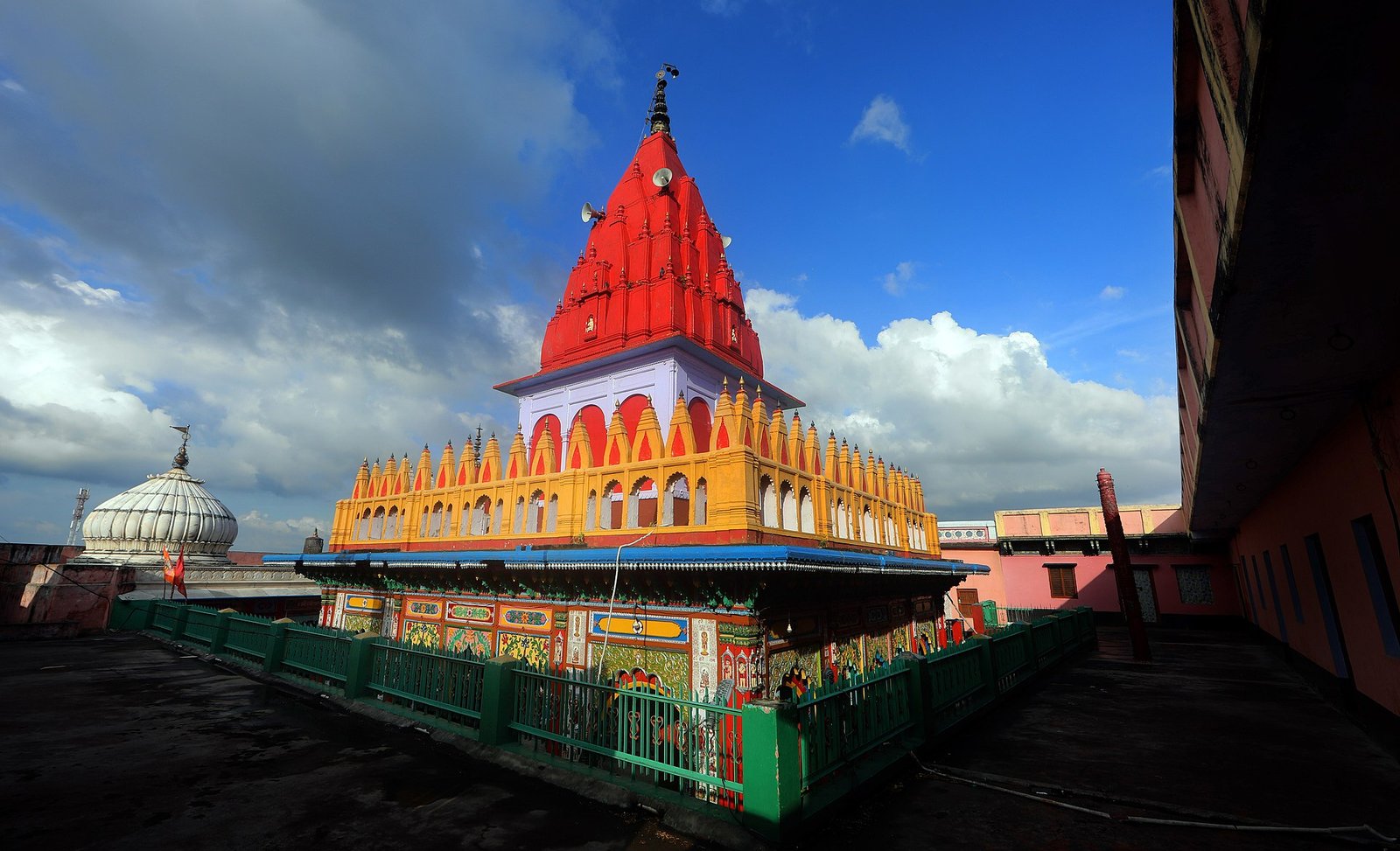
Hanuman Garhi
Hanuman Garhi is one of the best-known temples in the city.
The temple has a distinctive fort-like structure with circular bastions and is traditionally associated with Lord Hanuman. Visitors reach the main shrine by climbing a flight of steps.
It is commonly included in pilgrimage itineraries along with Ram Mandir and other important temples.
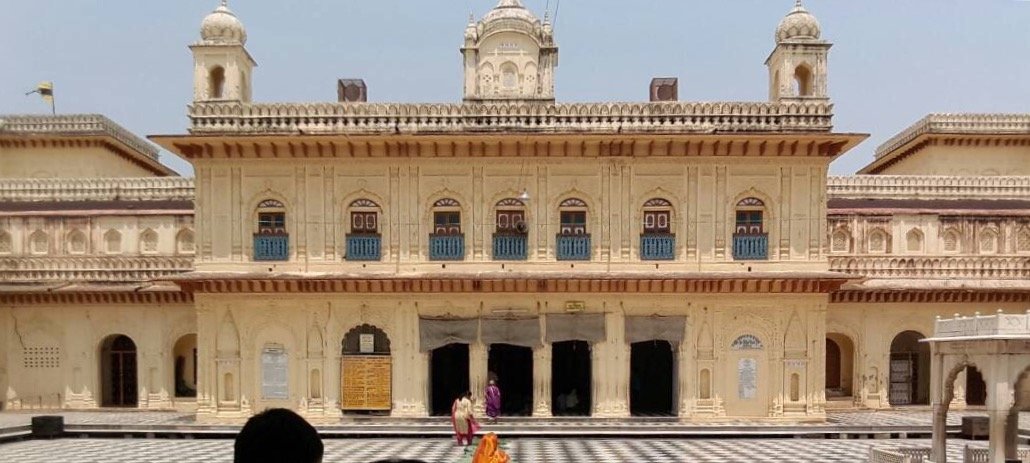
Kanak Bhawan
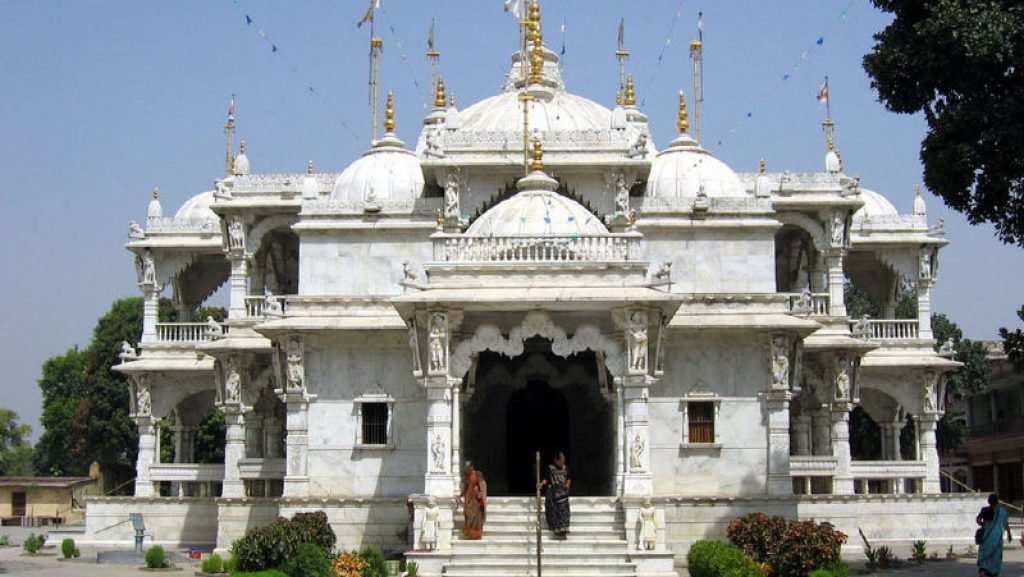
Kanak Bhawan is an important temple associated with Lord Rama and Mata Sita.
According to local religious tradition, the temple is connected with Sita and Rama and is known for its beautiful images of the divine couple.
Its peaceful atmosphere makes it a popular stop for pilgrims exploring the old religious areas of the city.
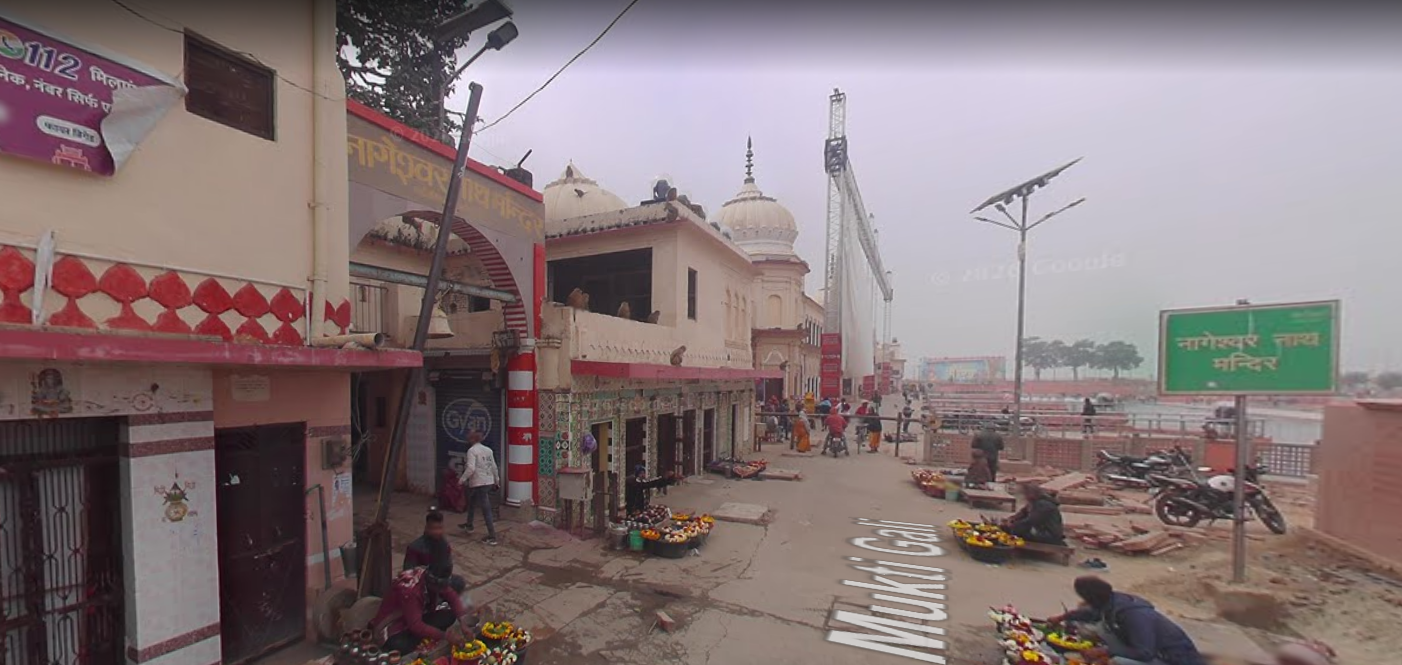
Nageshwarnath Temple
Nageshwarnath Temple is an important shrine dedicated to Lord Shiva.
A traditional legend associates its establishment with Kusha, the son of Lord Rama.
The temple becomes particularly important during Mahashivratri, when devotees gather for worship and religious celebrations.
Sarayu River and Ghats
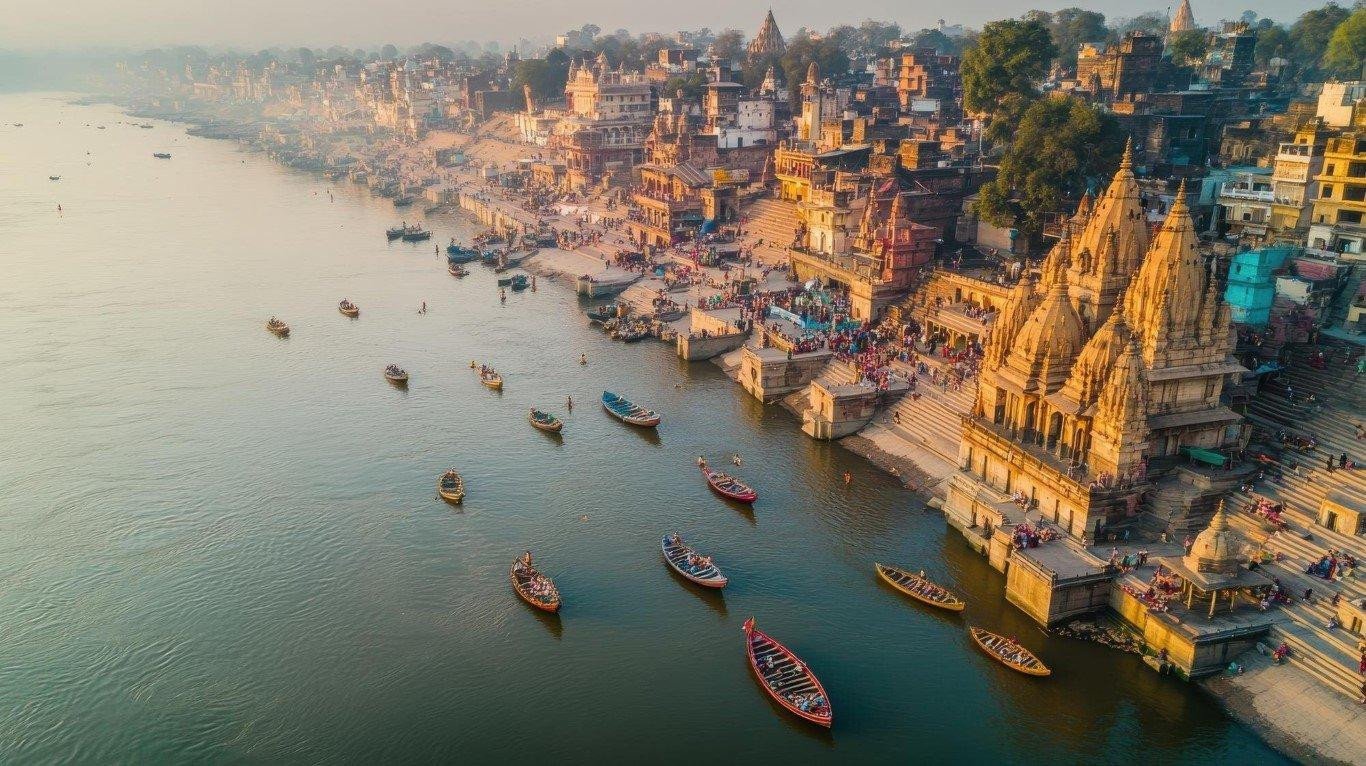
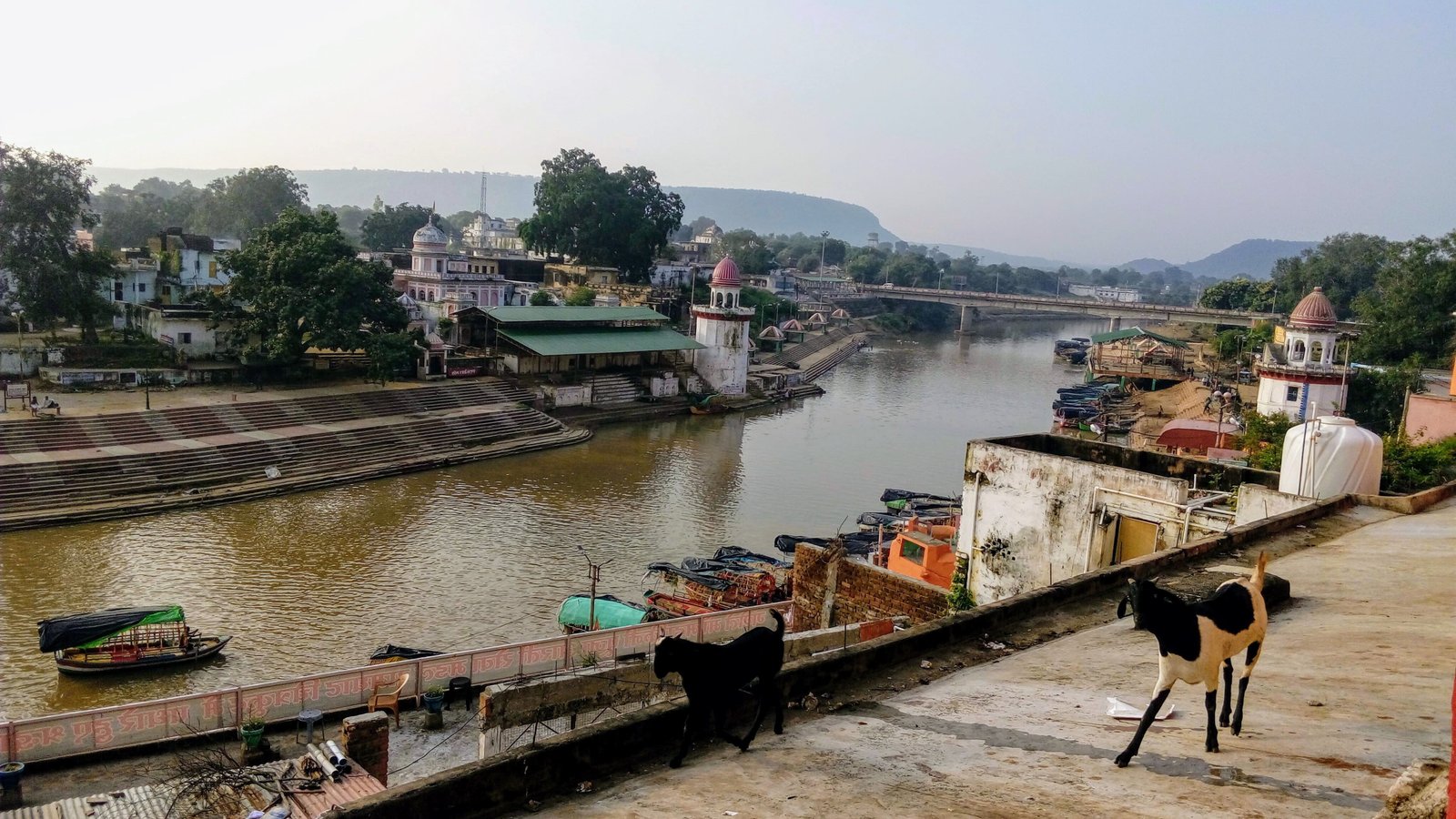
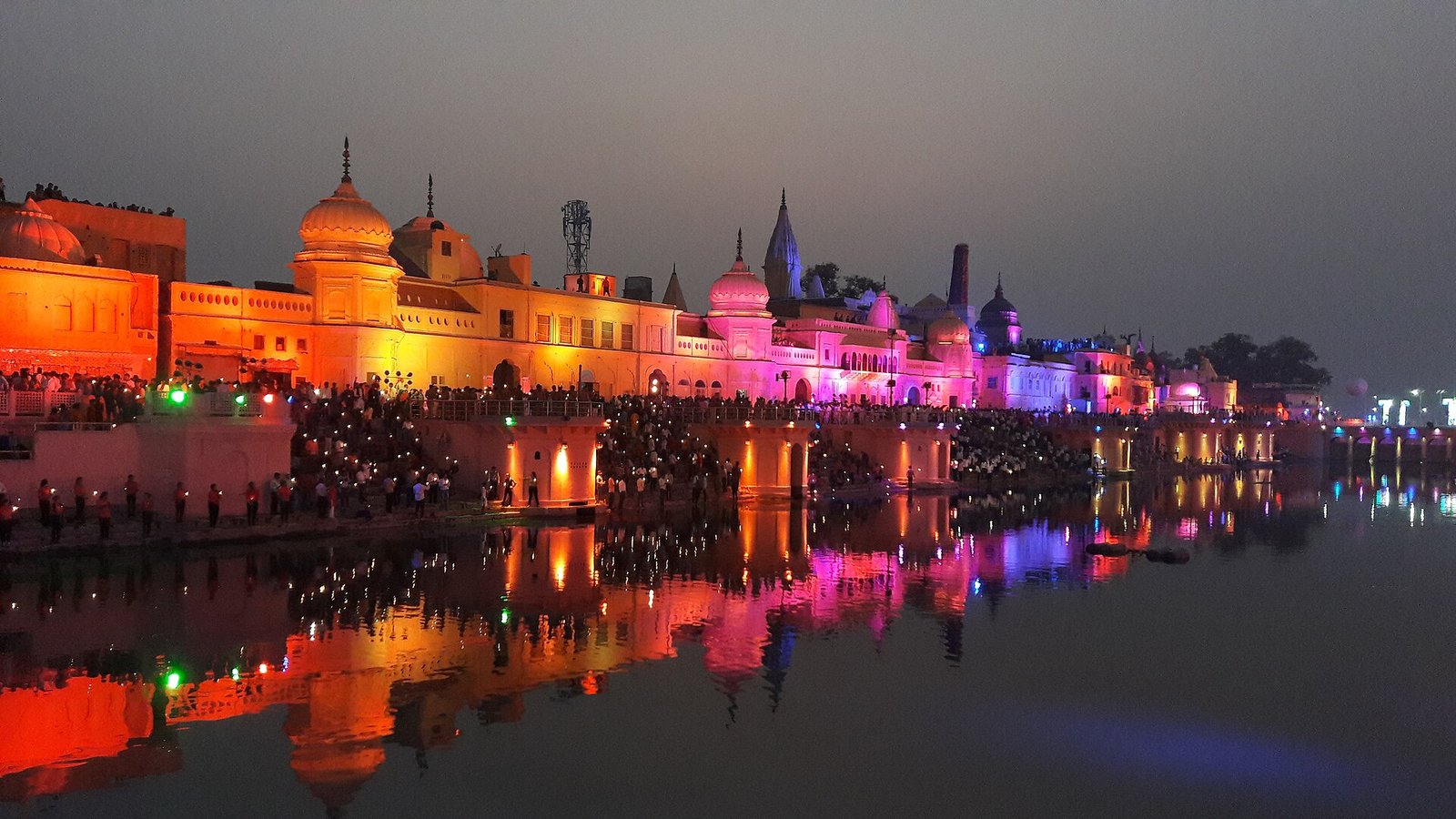
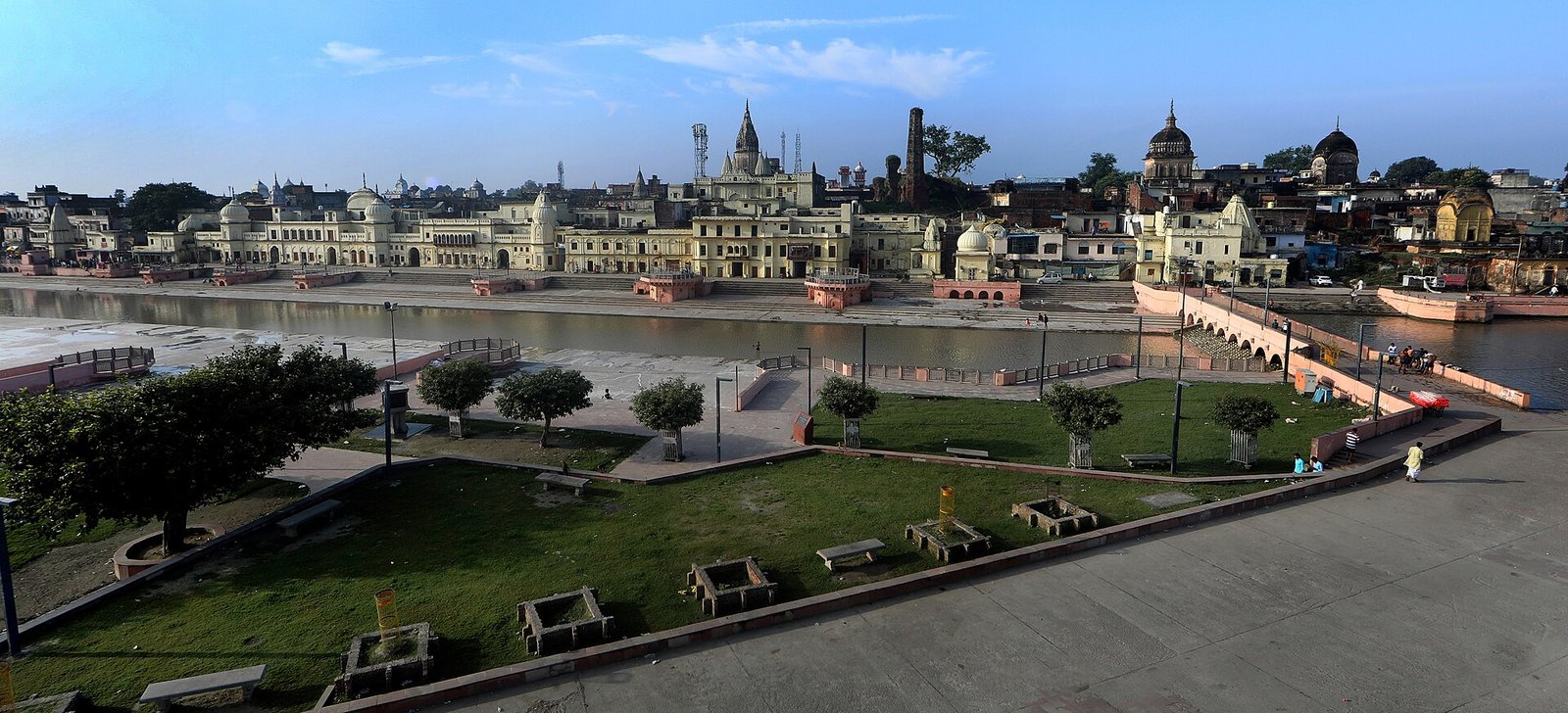
The Sarayu River is an essential part of the spiritual landscape of the city.
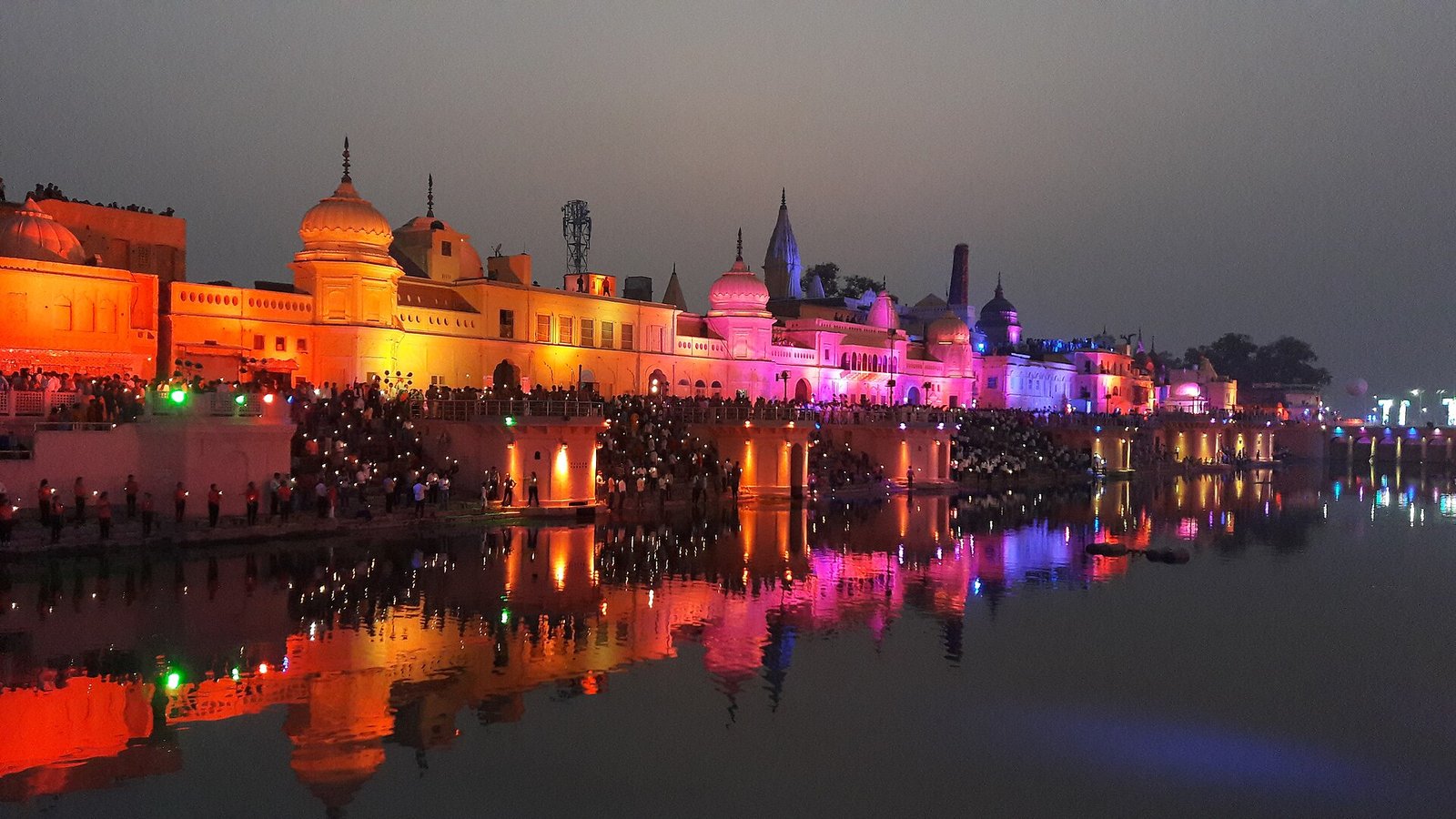
Devotees visit the river for prayers, rituals and bathing. The ghats also offer visitors an opportunity to experience a quieter side of the pilgrimage city.
An evening visit can be especially memorable, when the riverfront becomes part of the city's religious atmosphere.

Guptar Ghat
Guptar Ghat is another important religious location along the Sarayu.
According to traditional belief, the site is associated with the departure of Lord Rama and his followers from the earthly realm.
The ghat is also an important place for visitors interested in the religious traditions and history of the city.
Shri Valmiki Ramayana Bhawan
The Shri Valmiki Ramayana Bhawan is dedicated to Maharishi Valmiki, who is traditionally regarded as the author of the Ramayana.
The site represents the literary and cultural heritage associated with the epic and provides another connection between the city and the Ramayana tradition.
How to Reach Ayodhya
By Air
The easiest option for many long-distance travellers is Maharishi Valmiki International Airport.
Travellers should check the latest flight schedules before booking because airline routes and timings can change.
By Train
The city is connected to the Indian railway network through important stations including Ayodhya Dham Junction and Ayodhya Cantt.
Rail travel is a popular option for pilgrims arriving from different parts of India.
By Road
Ayodhya can also be reached by road from several major cities in Uttar Pradesh.
Road travel is particularly useful for people planning a larger pilgrimage covering destinations such as Prayagraj, Varanasi and Chitrakoot.
Best Time to Visit
The city can be visited throughout the year, but the cooler months are generally more comfortable for sightseeing.
October to March is a popular period for travellers who want to explore temples, ghats and other attractions in relatively pleasant weather.
During major festivals and important religious occasions, visitor numbers can increase significantly. It is therefore sensible to arrange accommodation and transportation in advance.
How Many Days Are Enough?
A 2-day trip is suitable for visitors who want to cover the major religious attractions.
Day 1
-
Ram Mandir
-
Hanuman Garhi
-
Kanak Bhawan
-
Ramkot
-
Evening visit to the Sarayu Ghats
Day 2
-
Nageshwarnath Temple
-
Other nearby temples
-
Guptar Ghat
-
Shri Valmiki Ramayana Bhawan
-
Local sightseeing and departure
Travellers who prefer a slower pilgrimage can stay for three days or longer.
Ayodhya as a Spiritual Tourism Destination
The city is experiencing significant development as a pilgrimage and tourism destination.
Improved air connectivity, railway infrastructure, roads, accommodation and other visitor facilities are making it easier for people from different parts of India to plan a visit.
At the same time, the ancient character of the city remains visible through its temples, riverfront, religious traditions and connection with the Ramayana.
For travellers exploring Uttar Pradesh, it can also be combined with Prayagraj, Varanasi and Chitrakoot to create a broader spiritual journey.
Frequently Asked Questions
What is Ayodhya famous for?
It is primarily known for its association with Lord Rama, the Ramayana tradition, Ram Mandir, ancient religious sites and the Sarayu River.
What is the official name of Ayodhya Airport?
The official name is Maharishi Valmiki International Airport, Ayodhyadham.
What is the airport code?
The IATA code is AYJ, while the ICAO code is VEAY.
When did commercial flights begin?
Commercial flight operations began on 10 January 2024.
How many days should I spend?
Two days are enough to cover many of the major attractions. A longer stay allows a more relaxed pilgrimage.
Which places should I visit?
Ram Mandir, Hanuman Garhi, Kanak Bhawan, Nageshwarnath Temple, Sarayu Ghats, Guptar Ghat and Shri Valmiki Ramayana Bhawan are among the important places to consider.
Is Ayodhya historically connected with Buddhism and Jainism?
Yes. Ancient Buddhist and Jain sources mention Saketa, a historic settlement generally associated with present-day Ayodhya.
Conclusion
Ayodhya is a destination where history, spirituality, culture and modern tourism come together.
Its connection with the Ramayana and Lord Rama makes it an important pilgrimage centre, while places such as Hanuman Garhi, Kanak Bhawan, Nageshwarnath Temple and the Sarayu Ghats offer visitors many different experiences.
With the development of Maharishi Valmiki International Airport and improved connectivity, reaching the city has also become easier.
Whether you are travelling for Ram Mandir Darshan, exploring India's ancient heritage or beginning a larger pilgrimage through Uttar Pradesh, this historic city offers plenty to discover.