Varanasi Kashi: The Sacred City of Lord Shiva
Varanasi, also known as Kashi and Banaras, is one of India's most ancient and spiritually significant cities. Situated on the banks of the River Ganga in Uttar Pradesh, the city has been an important centre of pilgrimage, learning, culture and religious traditions for centuries.
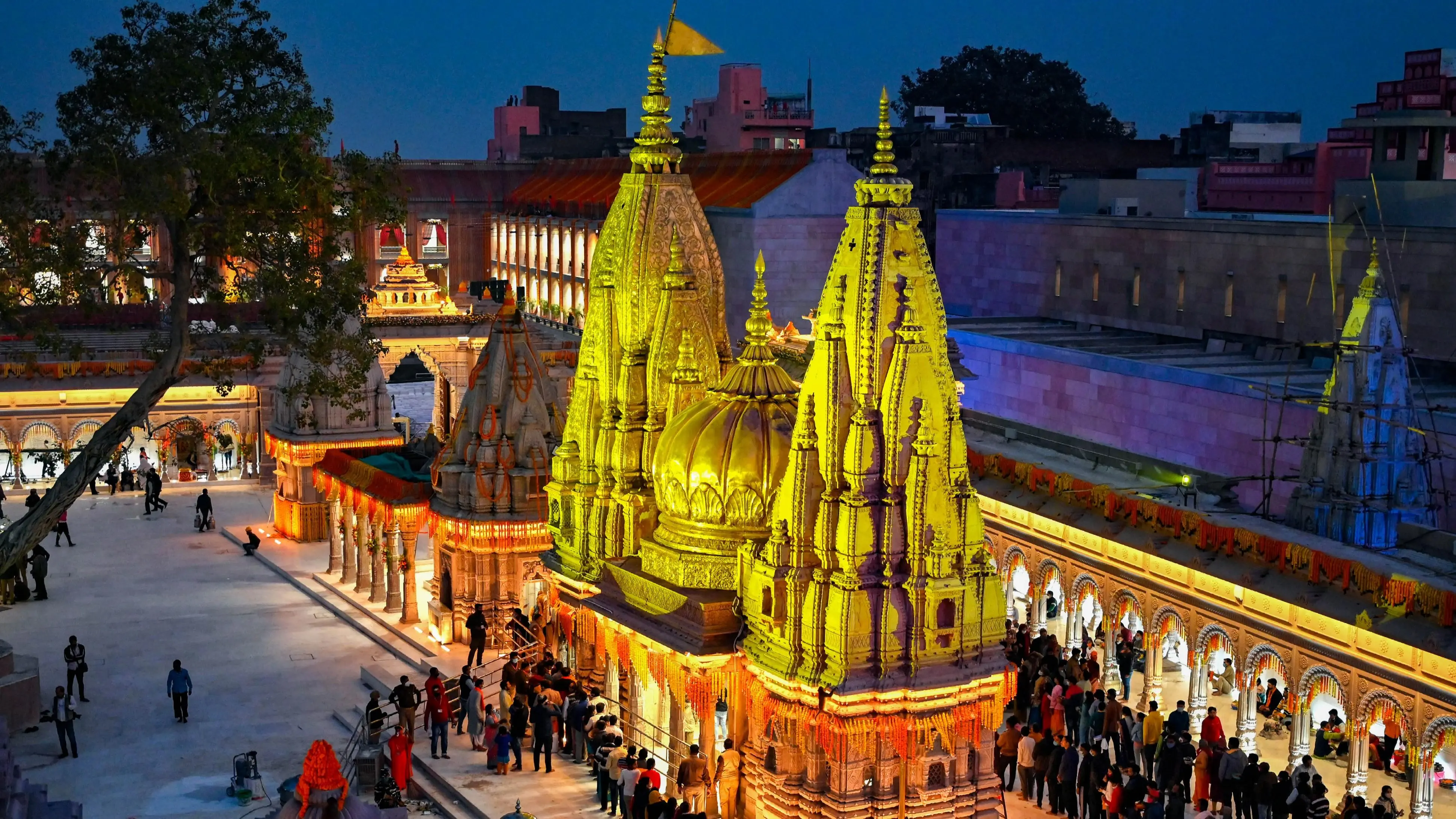
For devotees of Lord Shiva, Kashi holds a particularly important place. The city is closely associated with Shiva and is home to the revered Kashi Vishwanath Temple, one of the most important Shiva temples in India.
At the same time, Varanasi is much more than a pilgrimage destination. Its historic ghats, Ganga Aarti, old-city lanes, traditional music, Banarasi silk and nearby Sarnath make it an important destination for cultural and spiritual travel.
Why Is Varanasi Called Kashi?
Kashi is one of the ancient names associated with Varanasi.
The word Kashi is traditionally connected with the idea of light and illumination. In Hindu traditions, Kashi is regarded as a sacred city associated with Lord Shiva.
This spiritual identity is one of the main reasons pilgrims from different parts of India visit the city throughout the year.
When people talk about Kashi Dham, they are referring to the sacred religious identity of this ancient city and its important temples and pilgrimage traditions.
Kashi and Lord Shiva
The spiritual identity of Kashi is deeply connected with Lord Shiva, also known as Mahadev.
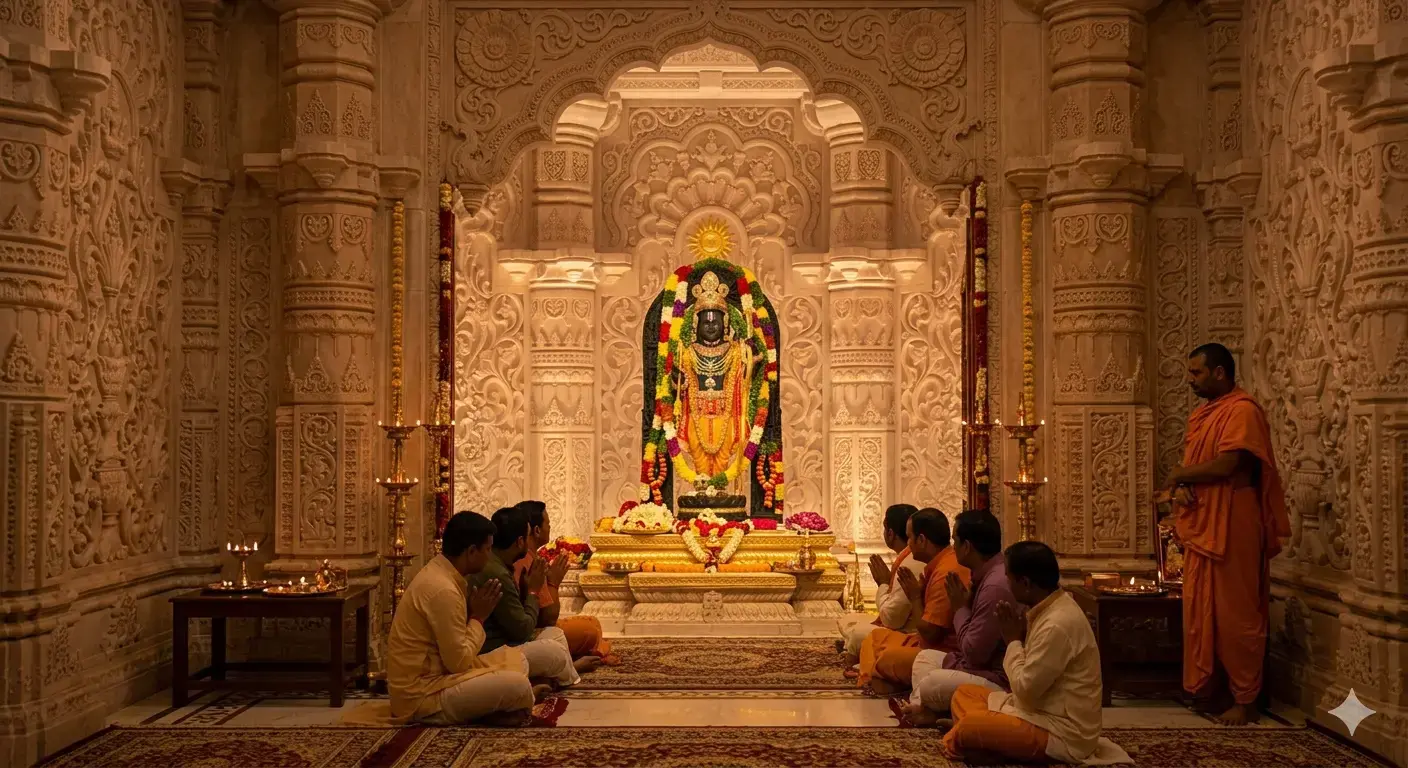
According to Hindu traditions, Kashi is considered the city of Shiva. The Kashi Vishwanath Temple represents this connection and is one of the most important pilgrimage sites for Shiva devotees.
Devotees visit Kashi to offer prayers, perform darshan and experience the spiritual atmosphere of the city.
The association between Shiva and Kashi is an important part of the city's religious identity and continues to influence the way pilgrims experience Varanasi today.
Kashi Vishwanath Temple
The Kashi Vishwanath Temple is dedicated to Lord Shiva and is located in the heart of the old city.
The temple is one of the major attractions for pilgrims visiting Varanasi.
The name Vishwanath is associated with Shiva as the Lord of the Universe, and the temple has an important place in the religious traditions of Kashi.
If you are planning a pilgrimage to Varanasi, Kashi Vishwanath Temple is usually one of the first places to include in your itinerary.
Read more:
Kashi Vishwanath Temple Darshan Guide
Shiva, Shankar and Mahadev in Kashi
Lord Shiva is known by many names, including Shiva, Shankar and Mahadev.
In the religious traditions associated with Kashi, these names represent the same divine figure worshipped by devotees.
The city has numerous Shiva temples and shrines, making it an important destination for people undertaking a Shiva pilgrimage.
Rather than treating these names as separate destinations, travellers can understand them as different names associated with Lord Shiva and the spiritual traditions of Kashi.
Kashi and Maa Parvati
The traditions of Kashi are not limited to Lord Shiva alone.
Maa Parvati, the divine consort of Shiva, also has an important place in Hindu religious traditions connected with Kashi.
The Maa Annapurna Temple near Kashi Vishwanath Temple is particularly significant. Goddess Annapurna is associated with nourishment and food, and devotees visit the temple as part of their pilgrimage in Kashi.
For many pilgrims, visiting Kashi means experiencing the sacred traditions associated with both Shiva and Shakti.
Is Mahakal in Varanasi?
Mahakal and Kashi Vishwanath are both forms of Lord Shiva, but they are associated with different major pilgrimage traditions.
The famous Mahakaleshwar Jyotirlinga is located in Ujjain, Madhya Pradesh, while Kashi Vishwanath Jyotirlinga is located in Varanasi, Uttar Pradesh.
Both are important Shiva pilgrimage destinations, but they are different temples and different locations.
History of Kashi
Varanasi has a long and complex history and is widely regarded as one of the world's oldest continuously inhabited cities.
The city has been an important centre of religion, learning, culture and trade for centuries.
Ancient Indian literature contains references to Kashi, and the city continued to develop as a major religious and intellectual centre through different historical periods.
Over time, temples, ghats, educational institutions and cultural traditions became an integral part of the city.
Modern Varanasi therefore represents layers of history rather than a single historical period.
The Sacred River Ganga in Kashi
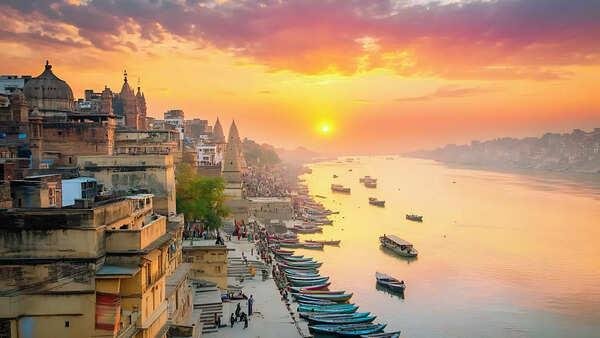
The River Ganga is central to the identity of Varanasi.
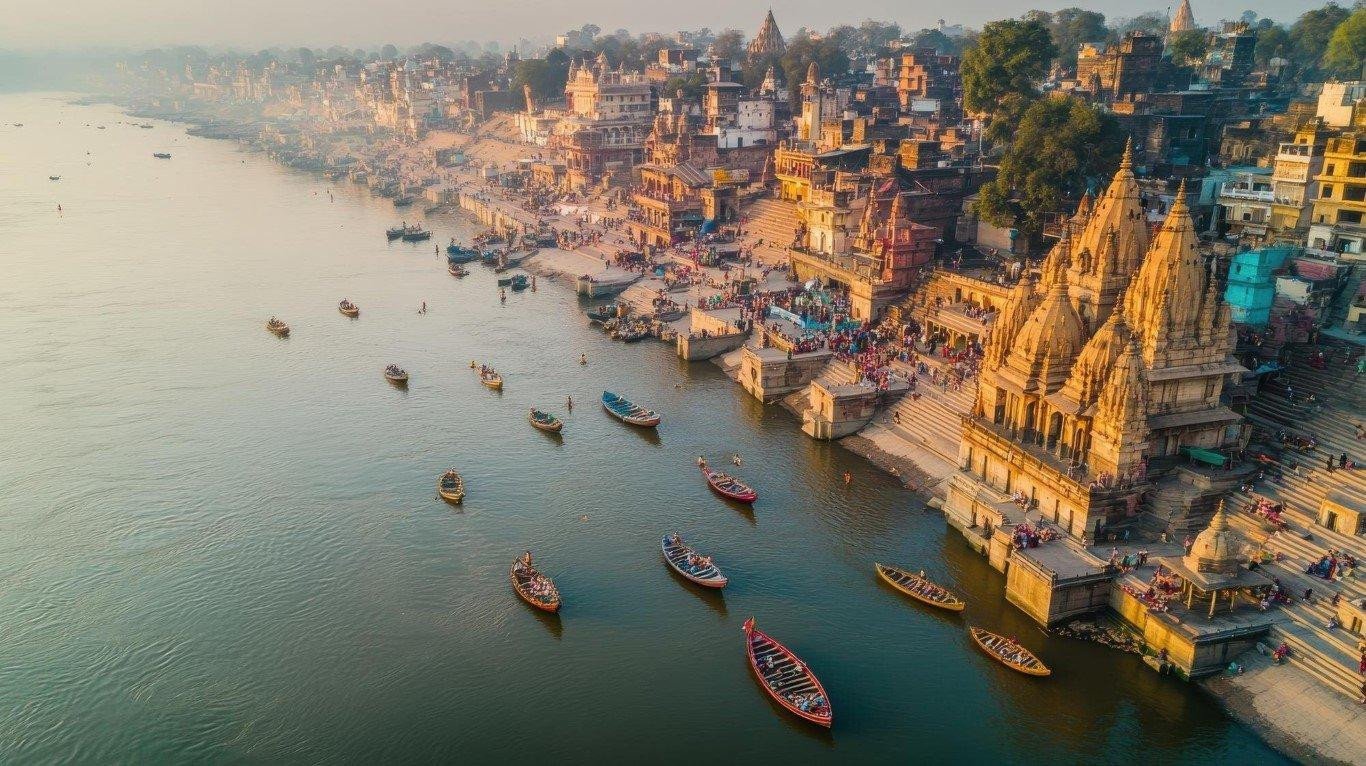
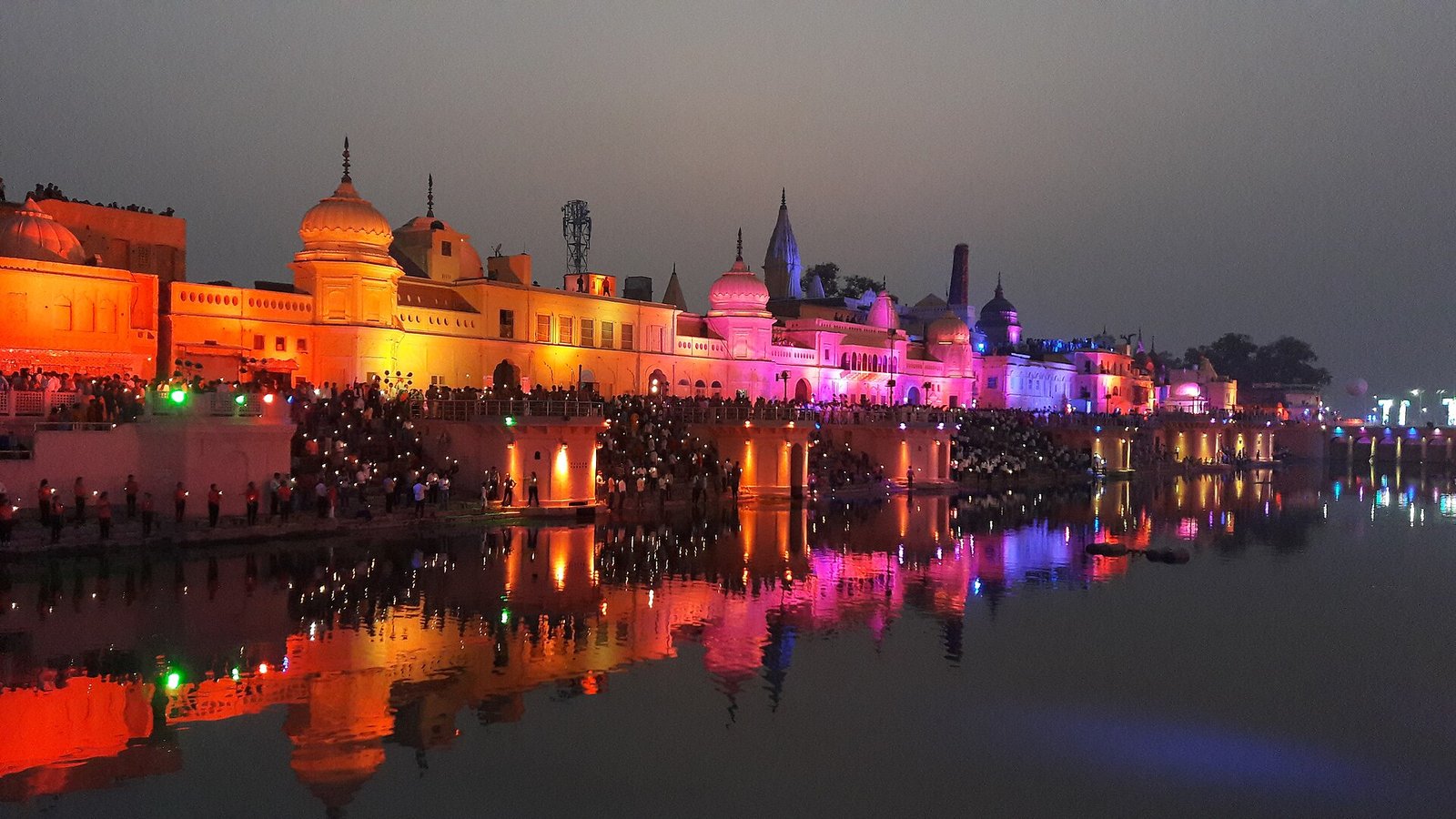
The city's famous ghats stretch along the river and are used for religious ceremonies, prayers, bathing and other traditional activities.
For Hindu pilgrims, the Ganga has deep religious significance.
A morning boat ride is one of the most popular ways to experience the riverfront and see several historic ghats from the water.
Famous Ghats of Varanasi
Some of the best-known ghats include:
- Dashashwamedh Ghat
- Assi Ghat
- Manikarnika Ghat
- Kedar Ghat
- Scindia Ghat
Each ghat has its own history and character.
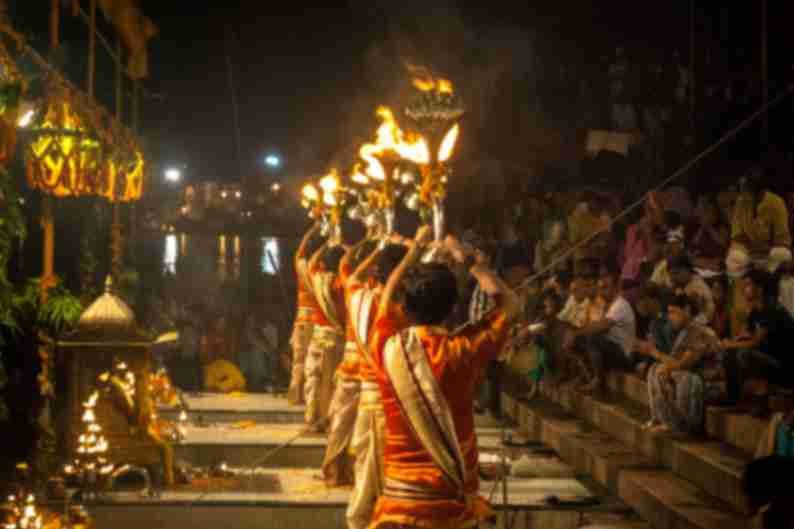
Dashashwamedh Ghat is particularly famous for the evening Ganga Aarti.
Manikarnika Ghat is one of the principal cremation ghats of Kashi and has an important place in the city's religious traditions.
Assi Ghat is popular among visitors for its riverside atmosphere and morning activities.
Ganga Aarti at Dashashwamedh Ghat
The evening Ganga Aarti is one of the most recognizable experiences in Varanasi.
The ceremony takes place around sunset at Dashashwamedh Ghat and includes traditional prayers, lamps and devotional rituals.
Visitors can watch the ceremony from the ghat or from boats on the Ganga.
Read more:
Ganga Aarti at Dashashwamedh Ghat: Timings, Location & Complete Visitor Guide
Famous Temples in Varanasi
Apart from Kashi Vishwanath, Varanasi has many temples and religious sites.
Some important places include:
- Kashi Vishwanath Temple
- Maa Annapurna Temple
- Kashi Vishalakshi Temple
- Kal Bhairav Temple
- Sankat Mochan Hanuman Temple
- Durga Temple
- Tulsi Manas Temple
- Bharat Mata Temple
Visitors should check current temple rules and timings before planning their visit.
Varanasi and Sarnath
Varanasi's history is not limited to Hindu traditions.
Nearby Sarnath is an important Buddhist heritage destination. According to Buddhist tradition, Gautama Buddha delivered his first sermon at Sarnath.
The Dhamek Stupa and other archaeological remains make Sarnath an important addition to a Varanasi itinerary.
Why Is Varanasi So Famous?
Varanasi is famous because many aspects of Indian spiritual and cultural life come together in one city.
The major reasons include:
- Ancient history
- Association with Lord Shiva
- Kashi Vishwanath Temple
- River Ganga
- Historic ghats
- Ganga Aarti
- Hindu pilgrimage
- Shiva and Shakti traditions
- Sarnath
- Banarasi silk
- Classical music
- Traditional food
- Religious festivals
- Old-city culture
This combination makes Varanasi different from most other tourist destinations in India.
Best Places to Visit in Varanasi
For a first visit, consider including:
- Kashi Vishwanath Temple
- Maa Annapurna Temple
- Kashi Vishalakshi Temple
- Kal Bhairav Temple
- Sankat Mochan Temple
- Dashashwamedh Ghat
- Assi Ghat
- Manikarnika Ghat
- Sarnath
- Ganga Boat Ride
Best Time to Visit Varanasi
Varanasi can be visited throughout the year.
October to March is generally more comfortable for sightseeing because of the cooler weather.
April to June can be hot, particularly during the afternoon, so early morning and evening sightseeing may be more comfortable.
During major festivals and religious occasions, the city can become extremely busy. Travellers should plan accommodation and transportation in advance.
Varanasi 2-Day Spiritual Itinerary
Day 1
Morning
Kashi Vishwanath Temple
Maa Annapurna Temple
Kashi Vishalakshi Temple
Afternoon
Lunch
Kal Bhairav Temple
Sankat Mochan Temple
Rest
Evening
Dashashwamedh Ghat
Ganga Aarti
Day 2
Early Morning
Ganga Boat Ride
Assi Ghat
Morning
Durga Temple
Tulsi Manas Temple
Afternoon
Sarnath
Evening
Local market and Banarasi shopping
Read more:
Varanasi 2 Days Travel Itinerary
Varanasi Travel Tips
- Start temple visits early.
- Wear comfortable footwear.
- Keep enough time for traffic and crowds.
- Follow temple security rules.
- Keep your valuables secure.
- Confirm boat fares before boarding.
- Drink safe water.
- Avoid rushing between too many attractions.
- If travelling with elderly family members, keep the itinerary relaxed.
- During festivals, expect larger crowds and longer travel times.
Explore Kashi with SWJ Swaraj Tours & Travels
Planning a spiritual journey to Varanasi can involve arranging transportation, sightseeing and other travel requirements separately.
For travellers who prefer an organized pilgrimage experience, SWJ Swaraj Tours & Travels offers spiritual and pilgrimage travel options covering Varanasi and other important destinations.
Their Kashi Darshan Tour is designed for travellers who want to explore important spiritual attractions of Kashi as part of an organized trip.
Kashi Darshan Tour:
https://swarajtourandtravels.com/kashi-darshan-tour
SWJ Swaraj Tours & Travels:
https://swarajtourandtravels.com/
Package availability, pricing and inclusions may change, so confirm the latest details before booking.
Frequently Asked Questions
Why is Varanasi called Kashi?
Kashi is an ancient name associated with Varanasi and is traditionally connected with the idea of light. In Hindu traditions, Kashi is considered a sacred city associated with Lord Shiva.
Why is Kashi important to Lord Shiva devotees?
Kashi is traditionally regarded as the city of Lord Shiva, and Kashi Vishwanath Temple is one of the most important Shiva temples in the city.
Is Mahakal Temple in Varanasi?
No. The famous Mahakaleshwar Jyotirlinga is in Ujjain, Madhya Pradesh. Varanasi is home to the Kashi Vishwanath Jyotirlinga.
Is Parvati worshipped in Kashi?
Yes. Goddess Parvati and forms of Shakti have an important place in Kashi's religious traditions. Maa Annapurna and Kashi Vishalakshi are important examples.
What is Varanasi famous for?
Varanasi is famous for Kashi Vishwanath Temple, Lord Shiva traditions, River Ganga, ancient ghats, Ganga Aarti, temples, spiritual tourism, Banarasi silk and its cultural heritage.
How many days are enough for Varanasi?
Two days can cover many major attractions, while three days or more allow for a more relaxed spiritual and cultural experience.
Experience the Spirit of Kashi
Varanasi is not simply a destination to visit; it is a city with a living spiritual and cultural heritage.
From Lord Shiva and Kashi Vishwanath to the River Ganga, ancient ghats, Ganga Aarti, Maa Parvati traditions and the historic lanes of Banaras, every part of the city contributes to its unique identity.
Whether you come to Kashi for pilgrimage, history, culture or simply to experience the atmosphere of the Ganga, Varanasi offers a memorable journey.
For an organized spiritual journey, explore the Kashi Darshan Tour by SWJ Swaraj Tours & Travels:
https://swarajtourandtravels.com/kashi-darshan-tour