
Quick Details
| Detail | Information |
|---|---|
| Best for | Spirituality, pilgrimage, history, culture and sightseeing |
| Ideal trip duration | 2 days |
| Best time to visit | October to March |
| Top attractions | Ram Mandir, Hanuman Garhi, Kanak Bhawan, Ram Ki Paidi and Sarayu Ghats |
| Must-do experience | Ram Mandir Darshan and evening at the Sarayu Ghats |
| Suitable for | Families, pilgrims, couples, senior citizens and first-time visitors |
| Nearby destinations | Prayagraj and Varanasi |
Ayodhya is one of India's most important spiritual and cultural destinations. Located on the banks of the River Sarayu in Uttar Pradesh, the city is closely associated with Lord Rama and has been an important pilgrimage destination for centuries.
The city is now attracting travellers from across India and around the world, especially after the development of the grand Ram Mandir at the sacred Ram Janmabhoomi site.
If you are visiting Ayodhya for the first time, choosing the right places to visit can make your trip easier and more enjoyable. From the famous Ram Mandir and Hanuman Garhi to the peaceful Sarayu Ghats, ancient temples and historic sites, Ayodhya offers a combination of spirituality, culture and history.
This guide covers the best places to visit in Ayodhya, what makes each place special and how you can include these attractions in your travel plan.
If you want a broader overview of the city, read our Ayodhya Travel Guide.
1. Ram Mandir
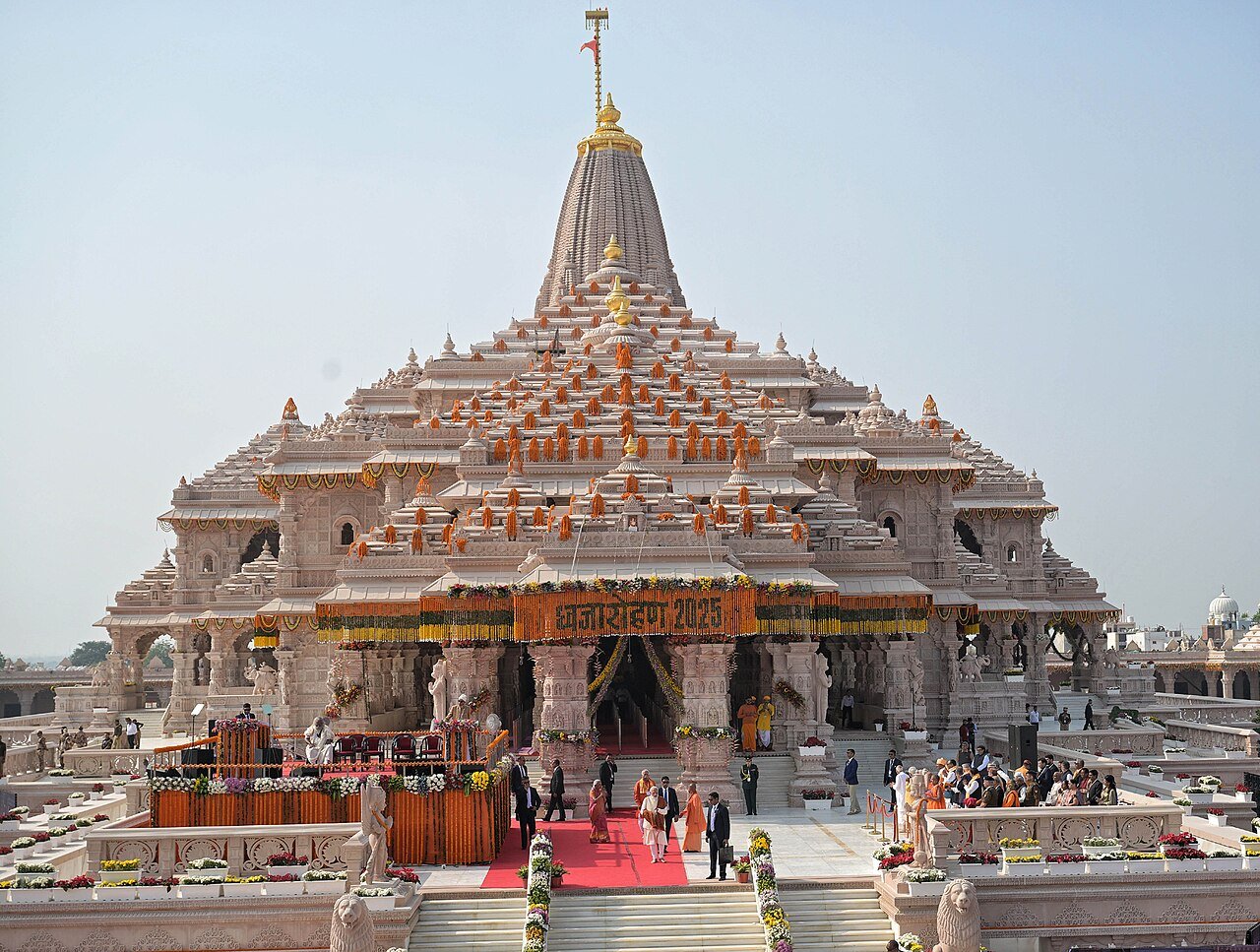
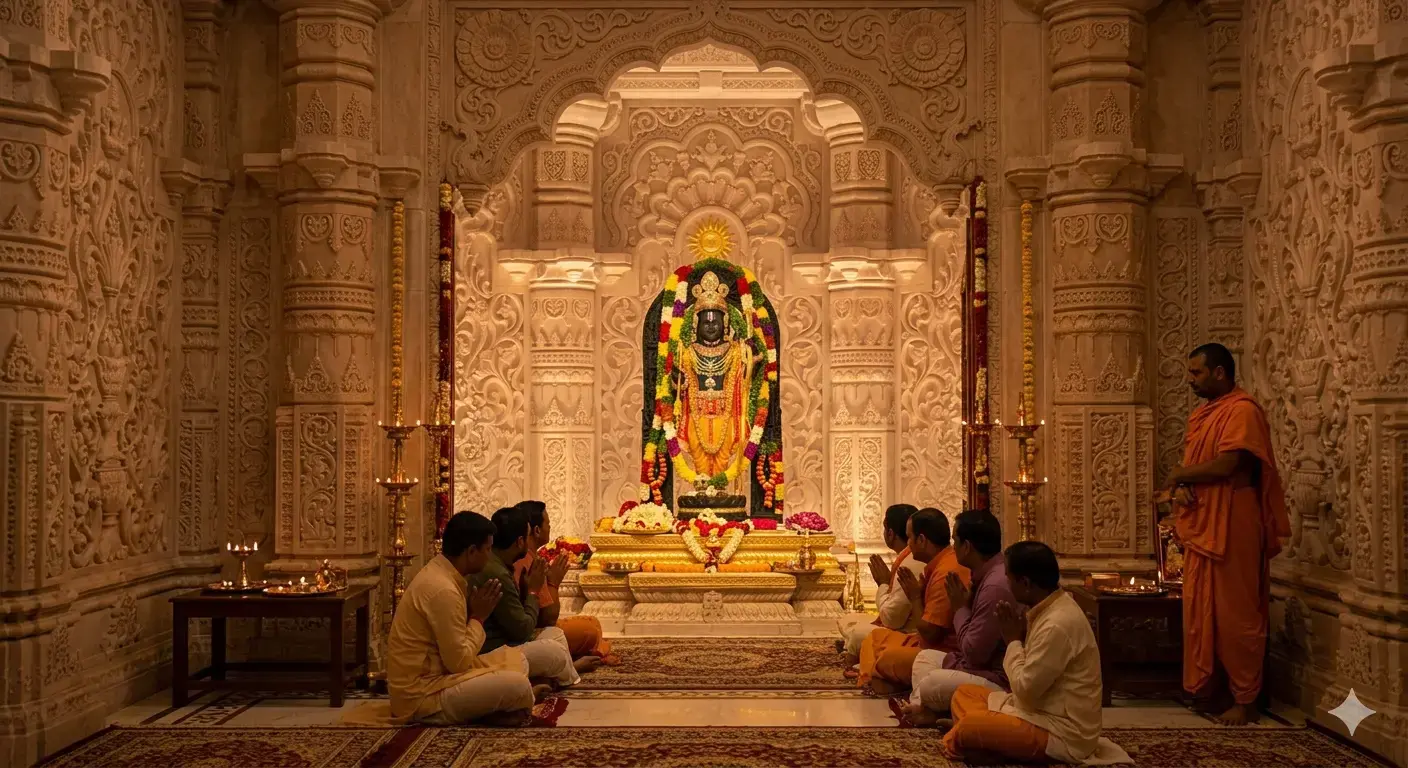
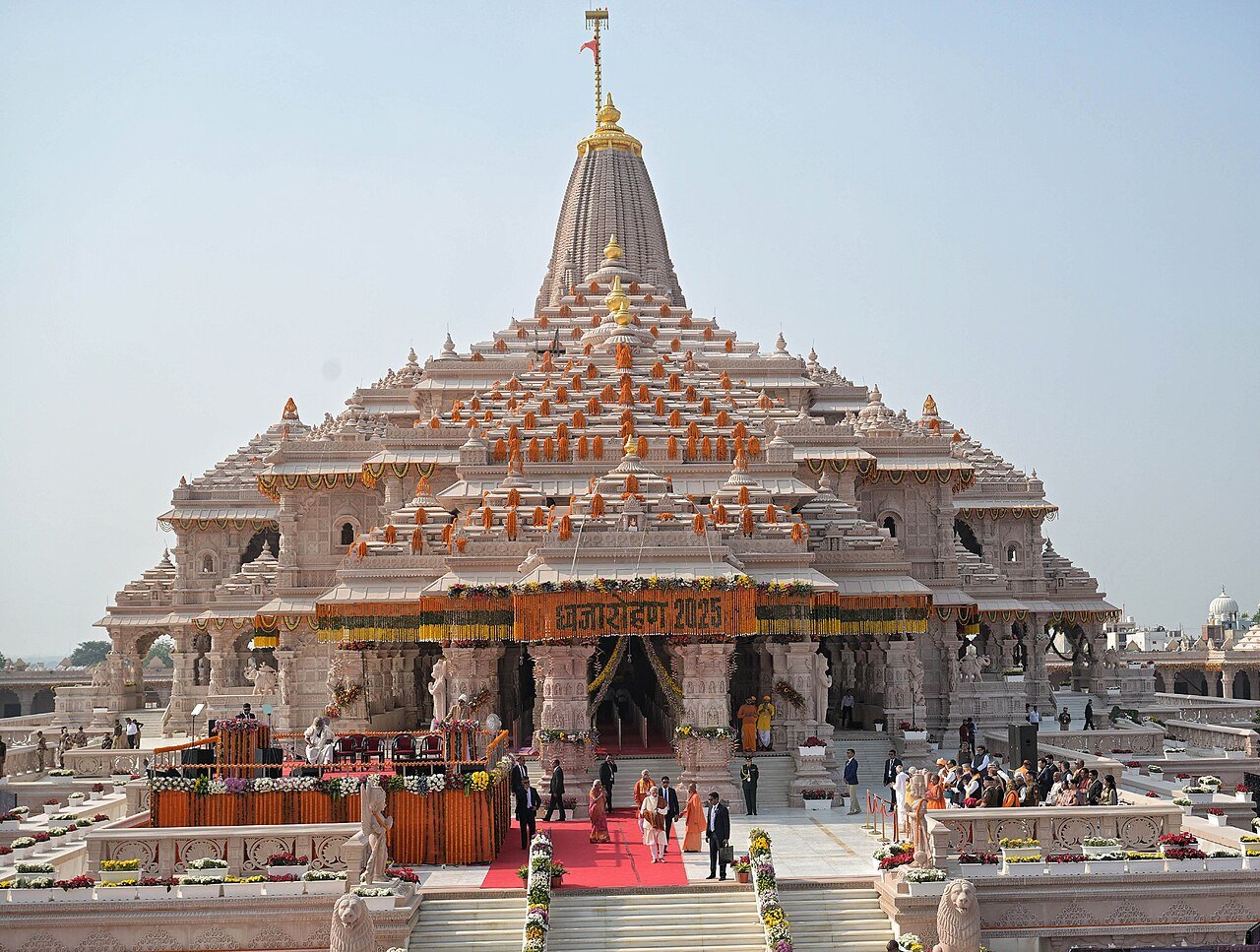
Ram Mandir is the most important attraction in Ayodhya and one of the major pilgrimage destinations for devotees visiting the city.
The temple is dedicated to Lord Rama and stands at the sacred Ram Janmabhoomi site. Its grand architecture and religious significance have made it one of the most visited attractions in Ayodhya.
A visit to Ayodhya is often planned around Ram Mandir, especially for travellers coming for a spiritual or religious journey.
If you are planning your first visit, it is useful to understand the darshan process, visitor guidelines and current arrangements before reaching the temple. Read our detailed Ayodhya Ram Mandir Darshan Guide before planning your visit.
Best for: Pilgrimage, spirituality, temple darshan and architecture.
Nearby: Hanuman Garhi, Kanak Bhawan, Dashrath Bhawan and Sita Ki Rasoi.
2. Hanuman Garhi
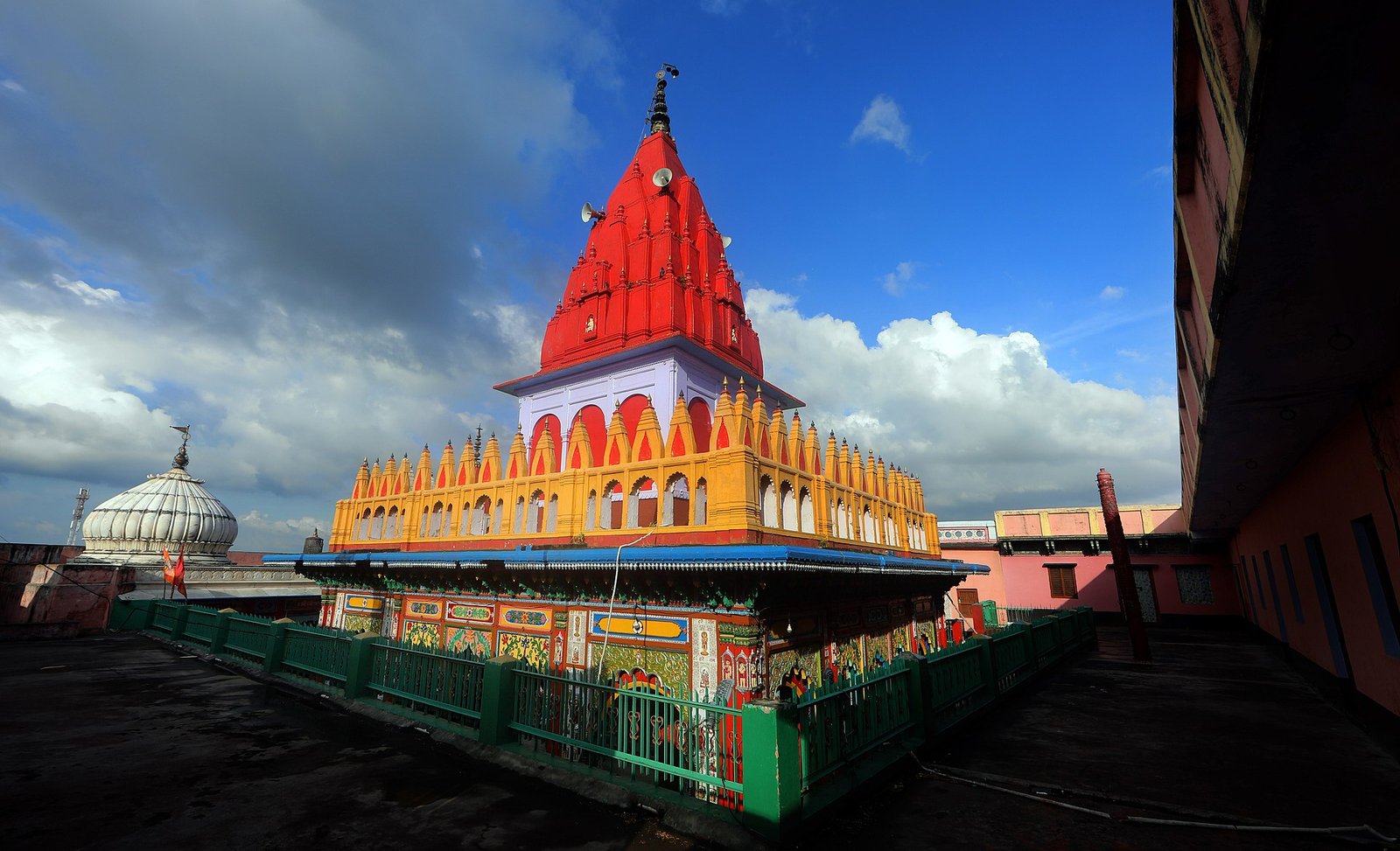
Hanuman Garhi is one of the most famous temples in Ayodhya and an important stop for pilgrims.
The temple is dedicated to Lord Hanuman and is located on a hill-like elevation that visitors reach by climbing a flight of steps.
Many devotees include Hanuman Garhi in their Ayodhya pilgrimage along with Ram Mandir.
Best for: Religious visits, Hanuman devotees and spiritual experiences.
Nearby: Ram Mandir, Kanak Bhawan and Dashrath Bhawan.
3. Kanak Bhawan

Kanak Bhawan is one of the most beautiful and well-known temples in Ayodhya.
The temple is dedicated to Lord Rama and Goddess Sita and is known for its attractive architecture and peaceful spiritual atmosphere.
The temple is an important stop for visitors exploring the major religious attractions of Ayodhya.
Best for: Temple visits, spirituality, architecture and photography.
Nearby: Ram Mandir, Hanuman Garhi and Dashrath Bhawan.
4. Ram Ki Paidi
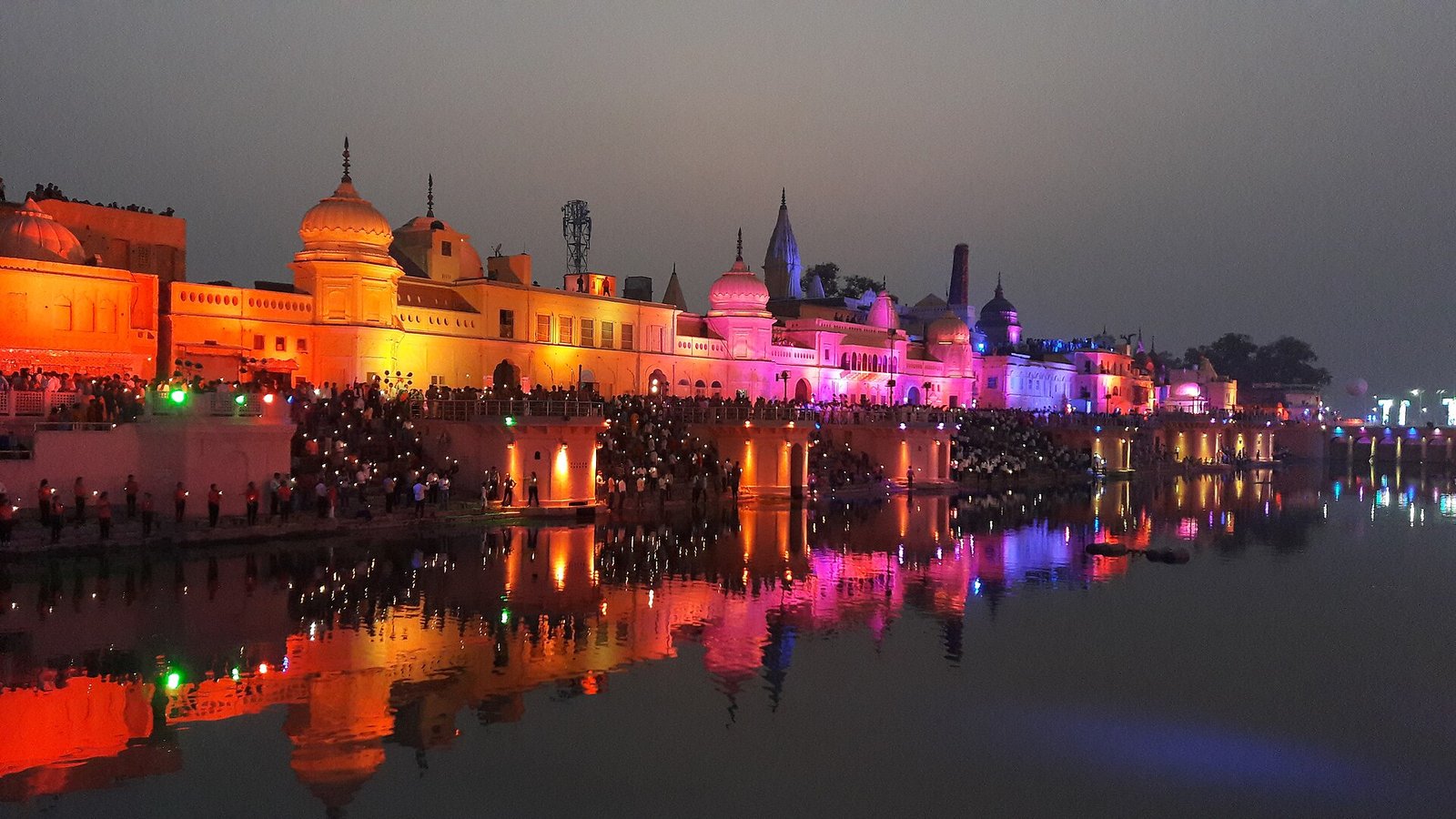
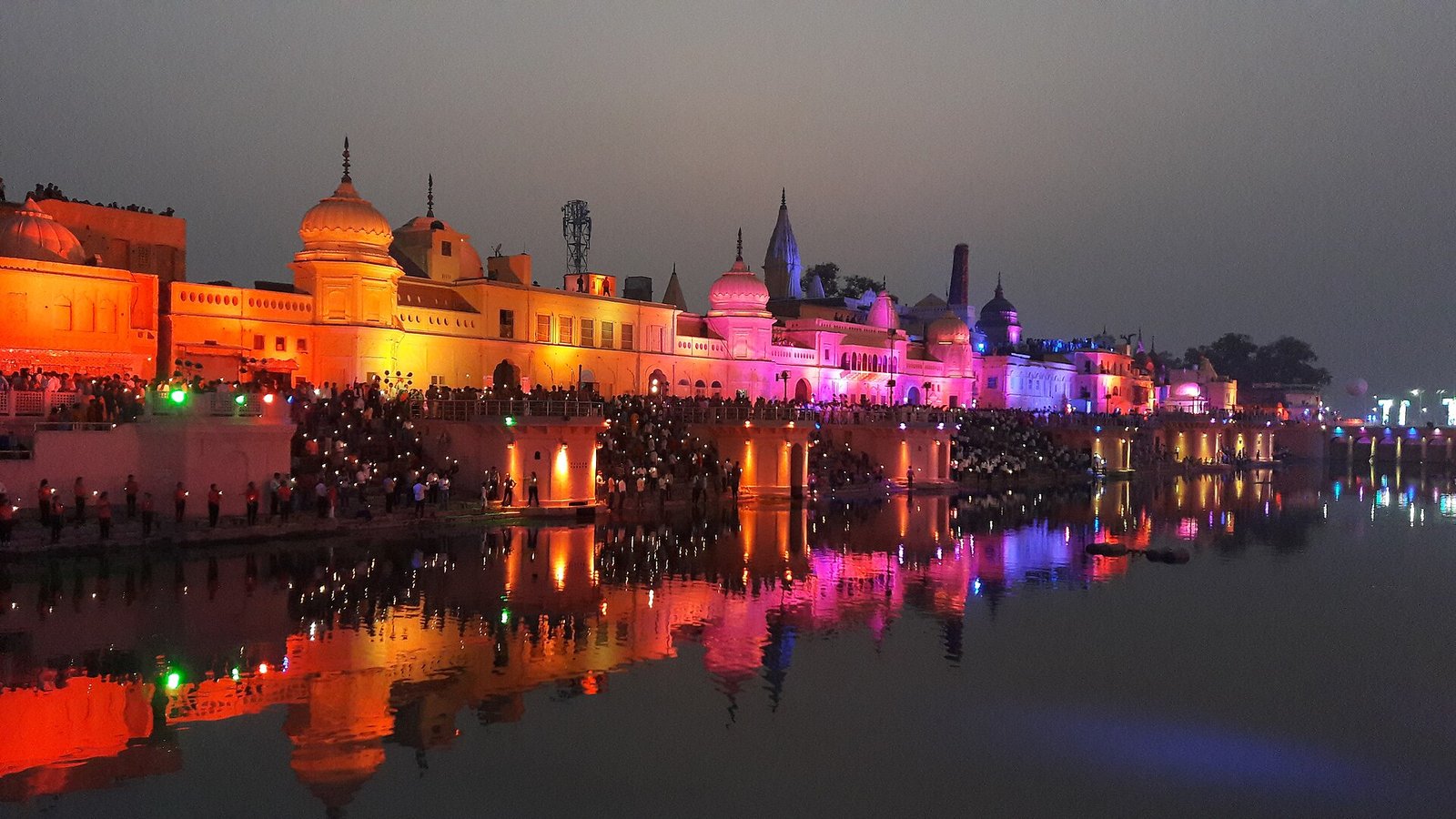
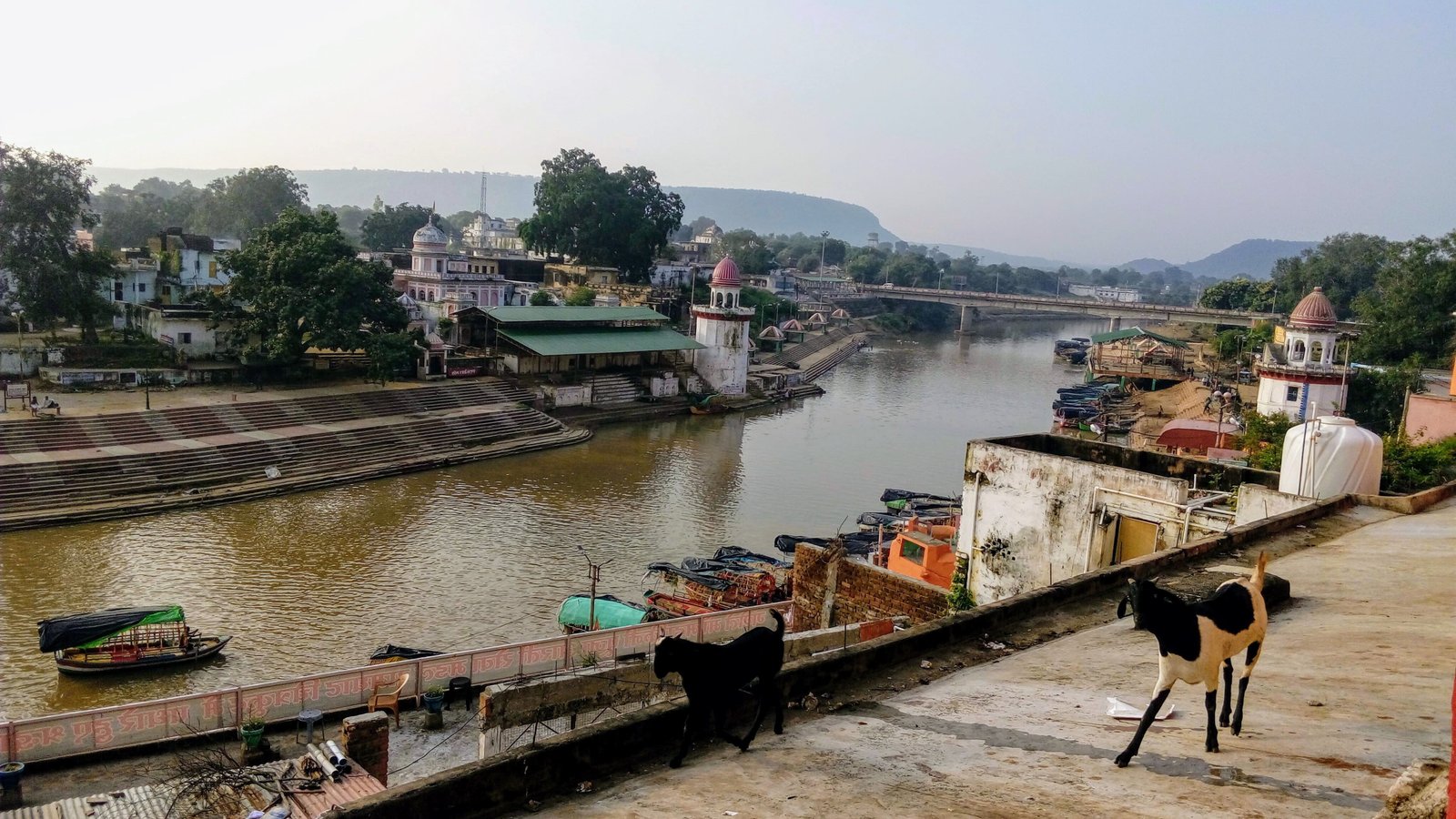
Ram Ki Paidi is a series of ghats situated along the banks of the Sarayu River.
The area is particularly attractive during the evening when the riverfront becomes illuminated and visitors gather around the ghats.
Ram Ki Paidi is a popular place to experience the spiritual atmosphere of Ayodhya and spend some peaceful time beside the Sarayu.
Best for: River views, evening visits, photography and spiritual experiences.
Nearby: Sarayu River, Nageshwarnath Temple and other central Ayodhya attractions.
5. Nageshwarnath Temple
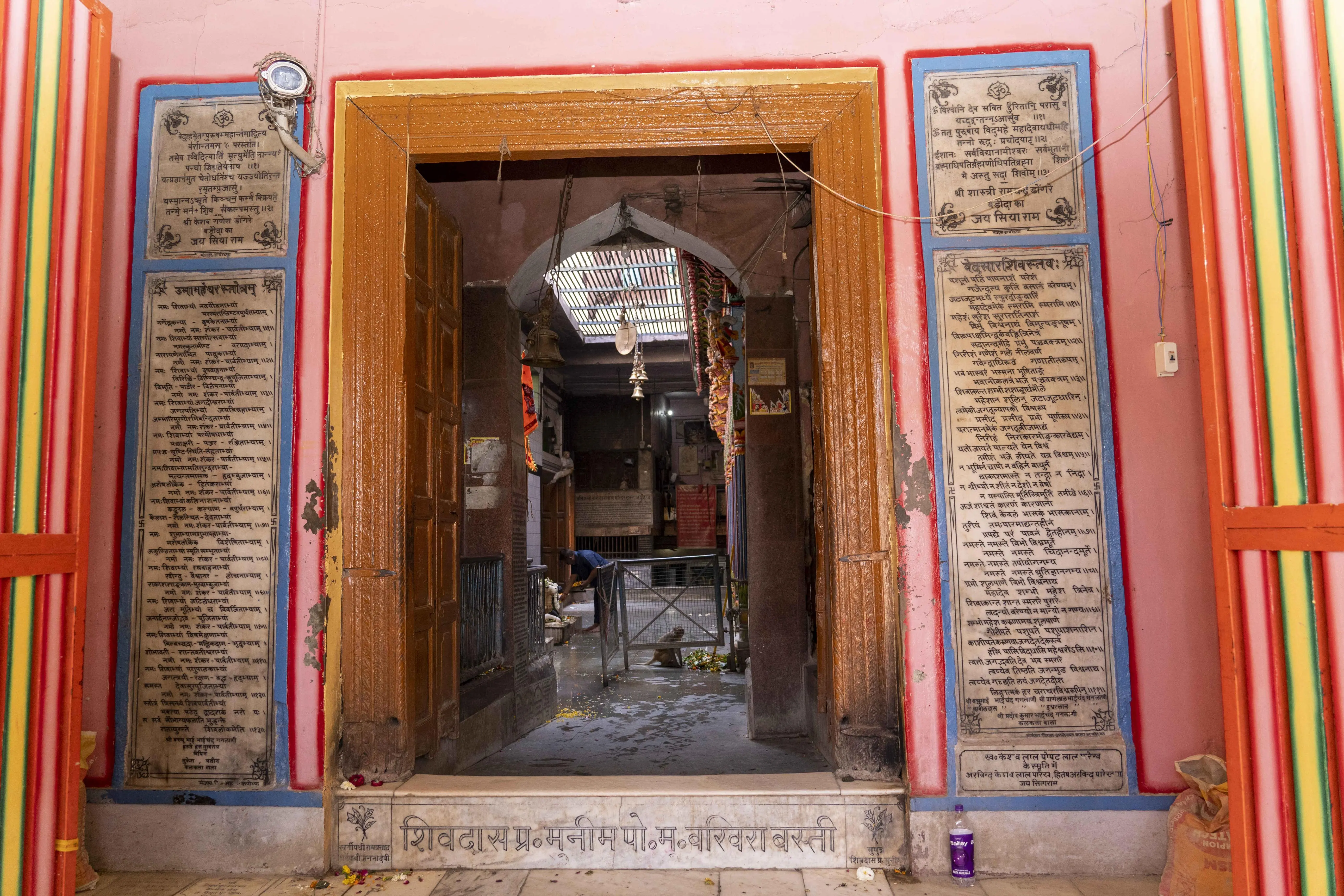
Nageshwarnath Temple is an important Shiva temple in Ayodhya.
The temple is traditionally associated with Kush, the son of Lord Rama, and is an important religious destination for devotees of Lord Shiva.
Travellers interested in exploring Ayodhya beyond Ram-related temples can include Nageshwarnath Temple in their sightseeing plan.
Best for: Shiva devotees, spirituality and religious tourism.
Nearby: Ram Ki Paidi and Sarayu Ghats.
6. Sarayu River & Ghats
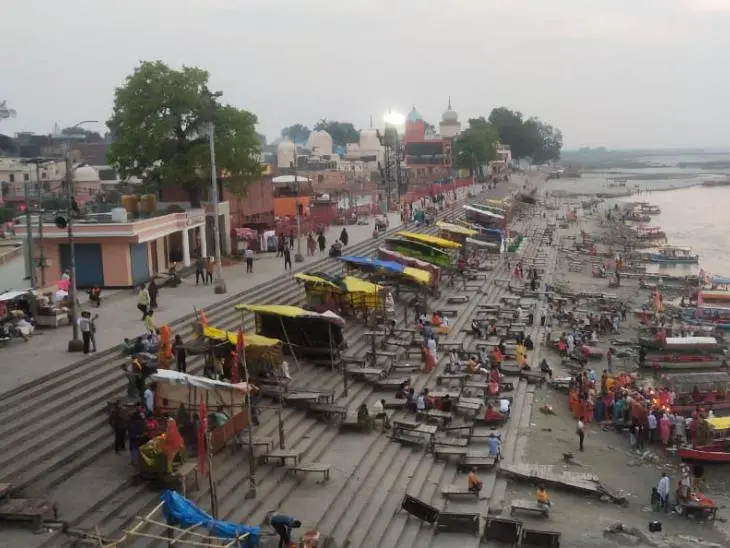
The Sarayu River is closely connected with the religious and cultural identity of Ayodhya.
Pilgrims visit the river and its ghats for prayers, religious activities and spiritual experiences.
The riverfront is particularly peaceful in the morning and becomes vibrant in the evening.
Spending some time beside the Sarayu is one of the experiences that should not be missed during an Ayodhya trip.
Best for: Spirituality, peaceful walks, river views and photography.
7. Guptar Ghat
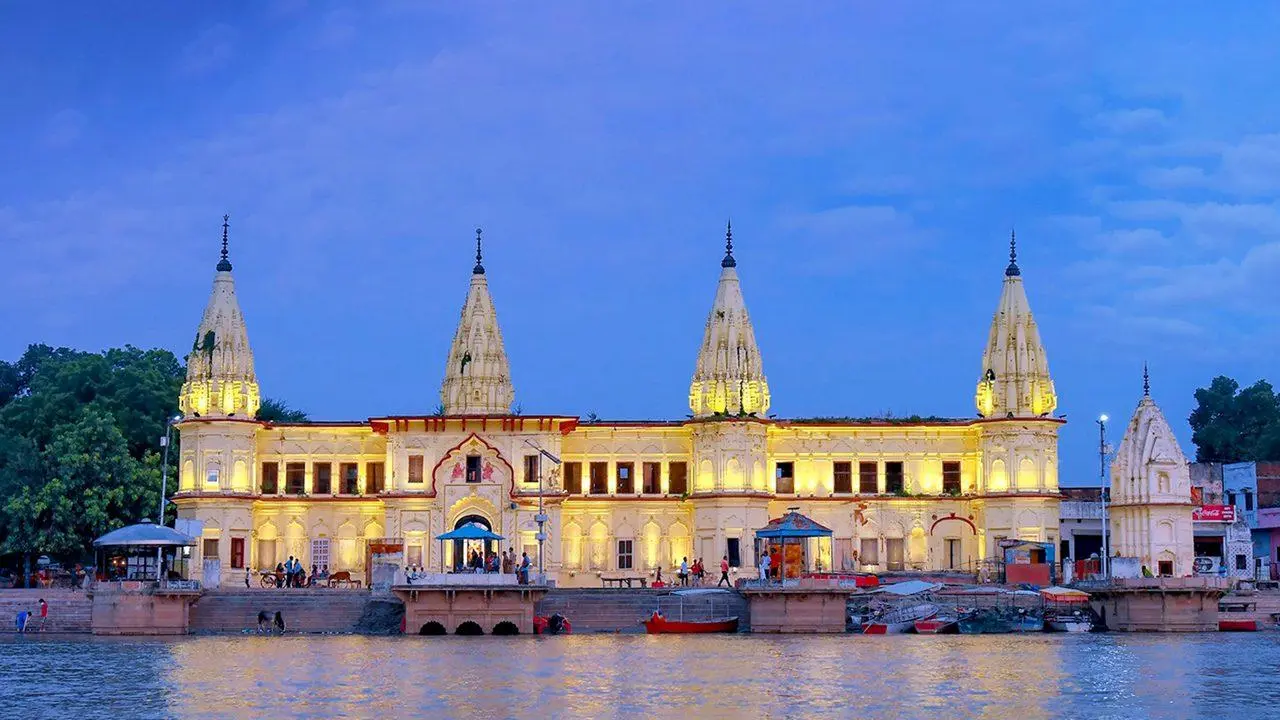
Guptar Ghat is an important religious site situated on the banks of the Sarayu River.
The ghat has strong religious associations and attracts pilgrims looking for a peaceful place along the river.
Compared with some of the busier central attractions, Guptar Ghat can provide a quieter sightseeing experience.
Best for: Spiritual experiences, river views and peaceful sightseeing.
8. Dashrath Bhawan
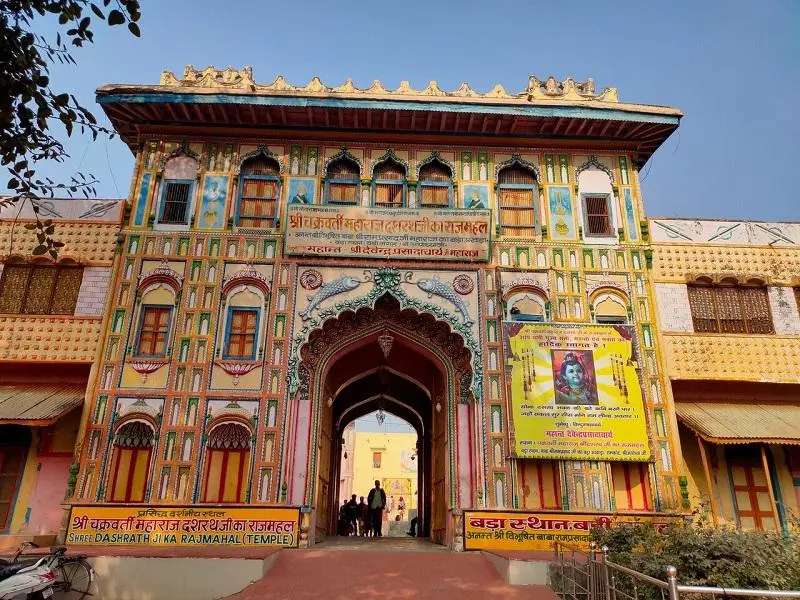
Dashrath Bhawan is traditionally associated with King Dashrath, the father of Lord Rama.
The site is an important religious attraction and is visited by devotees exploring the Ramayana-related heritage of Ayodhya.
Its location also makes it convenient to combine with other major temples during local sightseeing.
Best for: Religious tourism, Ramayana heritage and temple visits.
9. Sita Ki Rasoi
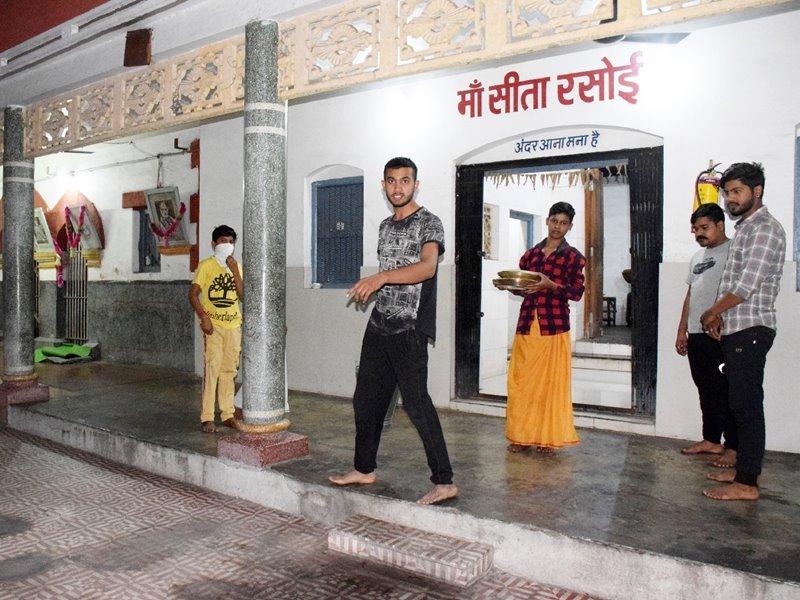
Sita Ki Rasoi is a religious site traditionally associated with Goddess Sita.
The name is connected with the traditional belief of Sita's kitchen and the site is visited by devotees during their Ayodhya pilgrimage.
It can easily be included along with other nearby religious attractions.
Best for: Religious tourism, Ramayana traditions and pilgrimage.
10. Treta Ke Thakur
Treta Ke Thakur is an important temple associated with Lord Rama and the Treta Yuga.
The temple is part of Ayodhya's rich religious heritage and attracts visitors interested in the city's connection with the Ramayana tradition.
For travellers exploring the spiritual history of Ayodhya, this temple can be a meaningful addition to the itinerary.
Best for: Spirituality, mythology and religious tourism.
11. Mani Parvat
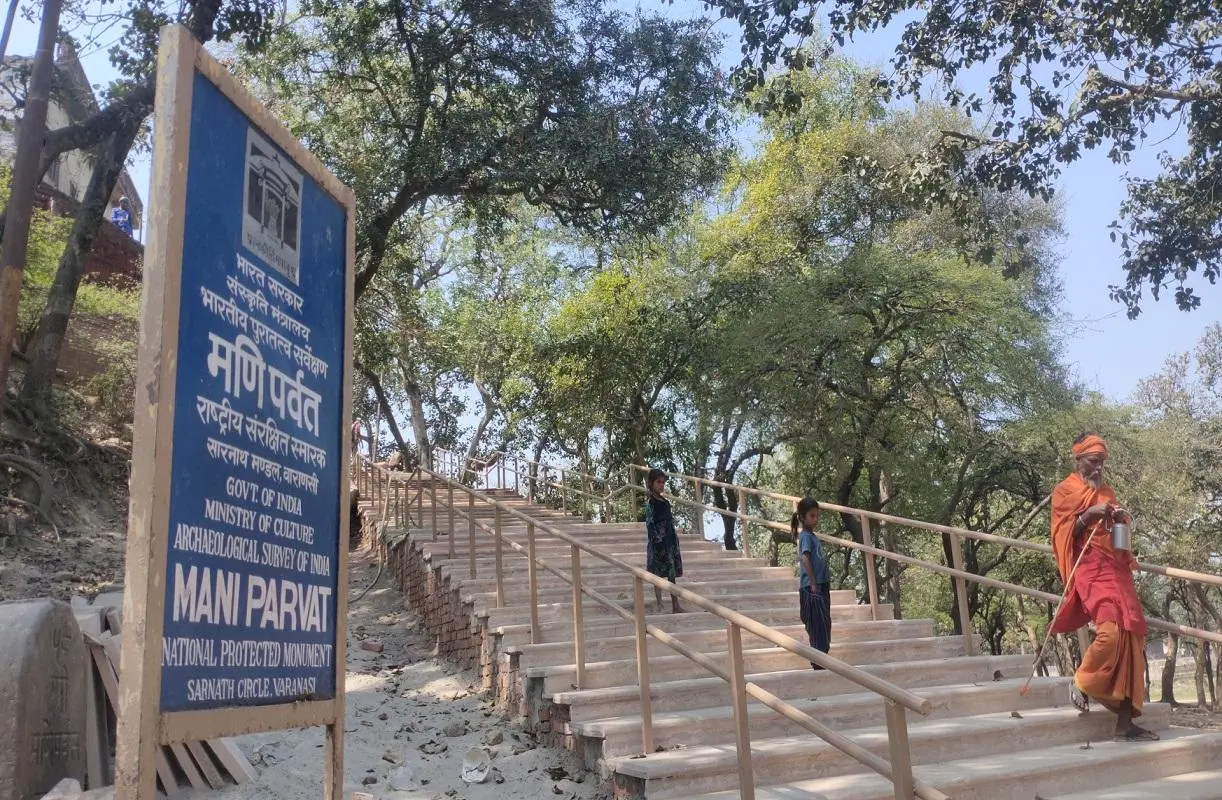
Mani Parvat is one of the historically and religiously significant places in Ayodhya.
The elevated location provides visitors with a different experience from the city's temples and riverfront areas.
Travellers interested in the ancient heritage and religious traditions of Ayodhya can include Mani Parvat in their sightseeing plan.
Best for: History, religious heritage and sightseeing.
12. Deokaali Temple
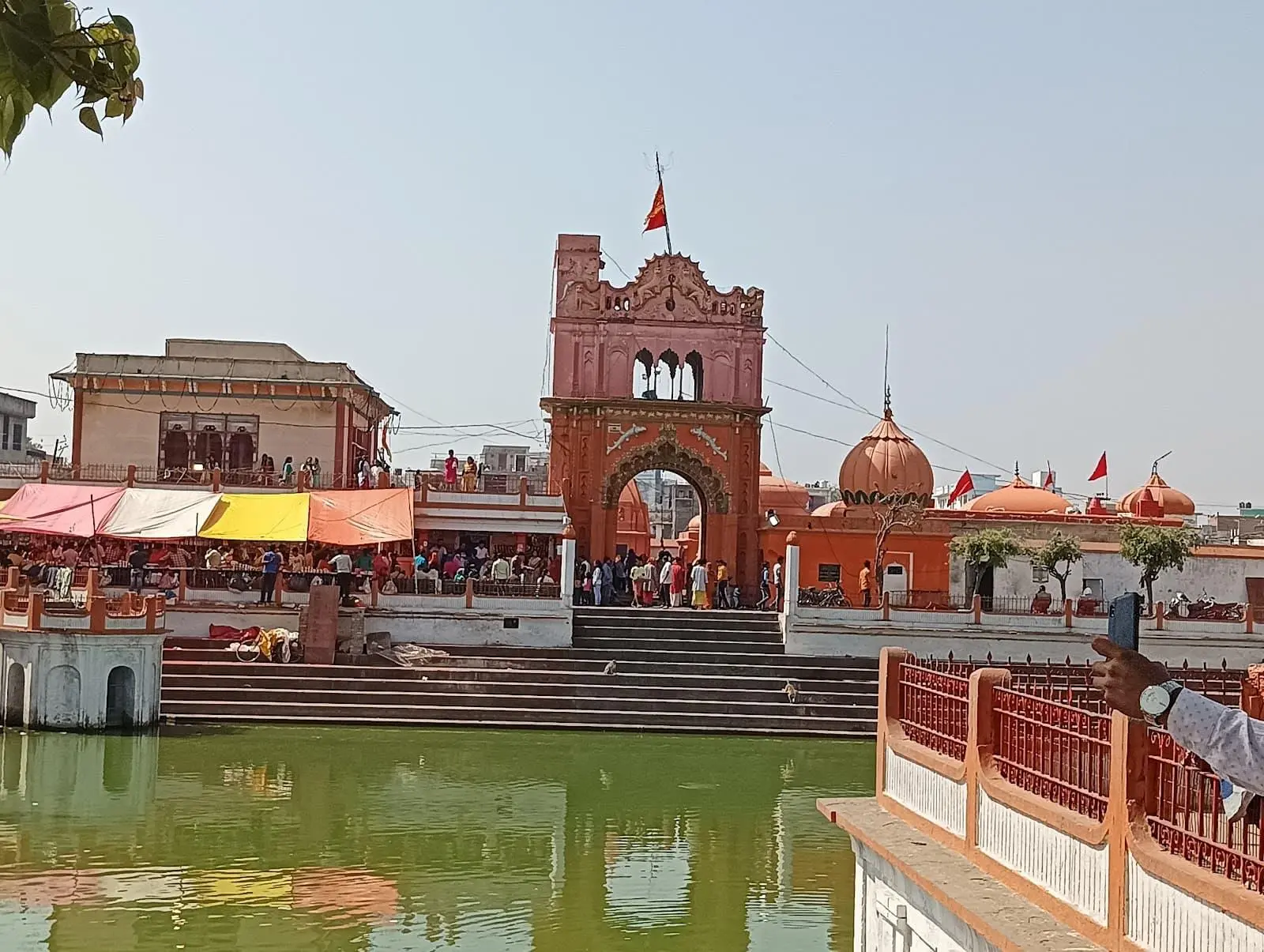
Deokaali Temple is an important temple dedicated to Goddess Kali and is associated with the religious traditions of Ayodhya.
The temple provides visitors with an opportunity to explore another part of the city's spiritual heritage.
It can be included in a longer Ayodhya sightseeing route along with other temples and religious attractions.
Best for: Temple visits, spirituality and religious tourism.
13. Birla Temple
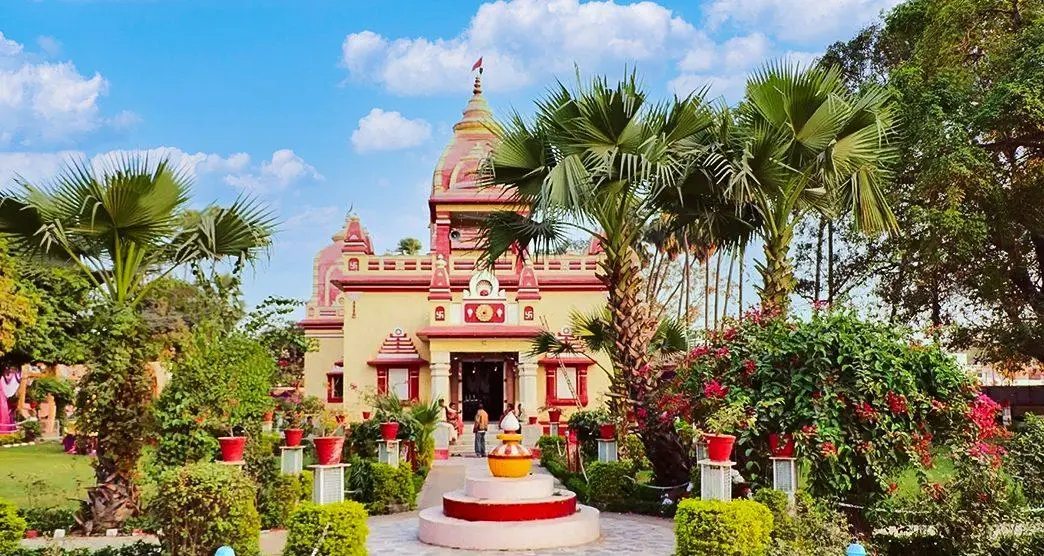
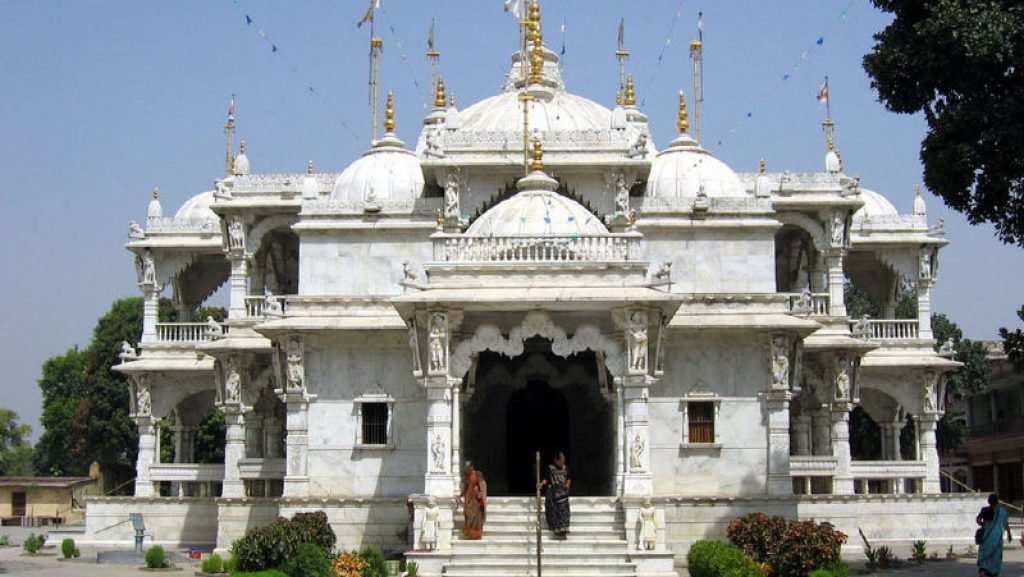
Birla Temple is another religious attraction that visitors can consider during their Ayodhya trip.
The temple provides a peaceful environment for devotees and travellers interested in exploring the city's spiritual attractions.
It can be included as part of a broader temple sightseeing circuit.
Best for: Temple visits, peaceful sightseeing and spirituality.
14. Gulab Bari
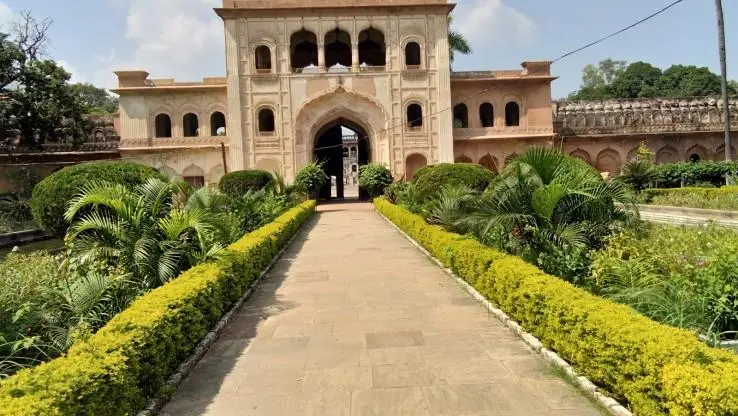
Gulab Bari is a historic monument located in Faizabad, near Ayodhya.
Unlike the major religious attractions of Ayodhya, Gulab Bari provides visitors with an opportunity to explore the region's Nawabi-era heritage.
The monument is known for its architecture, gardens and historical significance.
If you have additional time beyond the main pilgrimage attractions, Gulab Bari can be a good addition to your Ayodhya-Faizabad sightseeing plan.
Best for: History, architecture, gardens and heritage sightseeing.
15. Bharat Kund

Bharat Kund is an important religious destination associated with Bharat, the younger brother of Lord Rama.
The site is located outside the main Ayodhya city area and can be considered by travellers who want to explore places connected with the Ramayana tradition.
Bharat Kund is particularly suitable for visitors staying longer or travelling with a private vehicle.
Best for: Religious tourism, Ramayana heritage and nearby sightseeing.
Best Places to Visit in Ayodhya in 1 Day
If you have only one day in Ayodhya, trying to visit every attraction can make the trip tiring.
A practical one-day plan could be:
Early Morning
-
Hanuman Garhi
-
Ram Mandir
-
Kanak Bhawan
-
Breakfast
Morning
-
Dashrath Bhawan
-
Sita Ki Rasoi
-
Other nearby temples
Afternoon
-
Lunch
-
Rest at your hotel
-
Nageshwarnath Temple
-
Ram Ki Paidi
Evening
-
Sarayu River Ghats
-
Evening sightseeing
-
Local markets
This plan focuses on the major spiritual attractions instead of trying to cover the entire city in one day.
For a more detailed route, you can also read our Ayodhya 2 Days Itinerary.
Best Places to Visit in Ayodhya in 2 Days
With two days, you can explore Ayodhya at a more comfortable pace.
Day 1 – Ram Mandir & Main Temples
-
Hanuman Garhi
-
Ram Mandir
-
Kanak Bhawan
-
Dashrath Bhawan
-
Sita Ki Rasoi
-
Ram Ki Paidi
Day 2 – Sarayu, Temples & Nearby Attractions
-
Sarayu River Ghats
-
Nageshwarnath Temple
-
Guptar Ghat
-
Mani Parvat
-
Deokaali Temple
-
Bharat Kund or other nearby attractions
This gives you a combination of spirituality, religious heritage, riverfront experiences and historical sightseeing.
If you are planning a longer Uttar Pradesh pilgrimage, you can also combine Ayodhya with Varanasi 2 Days Travel Itinerary or explore our Ayodhya–Prayagraj–Varanasi Tour.
Best Time to Visit Ayodhya
Ayodhya can be visited throughout the year, but October to March is generally considered more comfortable for sightseeing because temperatures are usually more pleasant.
Winter is particularly suitable for exploring temples, ghats and other outdoor attractions without the intense heat of summer.
Summer can be hot, so travellers should plan outdoor sightseeing during the morning and evening and stay hydrated.
During major festivals and religious events, Ayodhya can become significantly more crowded. If you are travelling during a festival, allow extra time for transportation, temple visits and sightseeing.
How Many Days Are Enough for Ayodhya?
For a first visit, 2 days can provide a good introduction to Ayodhya.
1 Day
Suitable for the main spiritual attractions:
-
Ram Mandir
-
Hanuman Garhi
-
Kanak Bhawan
-
Ram Ki Paidi
-
Sarayu Ghats
2 Days
Allows you to add:
-
Nageshwarnath Temple
-
Guptar Ghat
-
Dashrath Bhawan
-
Sita Ki Rasoi
-
Mani Parvat
-
More temples and local attractions
3 Days
Gives you more time for:
-
Additional temples
-
Nearby religious sites
-
Faizabad heritage attractions
-
Bharat Kund
-
Local markets
-
Relaxed sightseeing
Ayodhya Travel Tips for First-Time Visitors
1. Start Early
Morning sightseeing can be more comfortable, especially during warmer months. Starting early can also help you manage your day better.
2. Wear Comfortable Shoes
Ayodhya sightseeing may involve walking and standing at temples and ghats, so comfortable footwear is recommended.
3. Keep Some Extra Time
Crowds, traffic and security arrangements can make travel slower than expected. Avoid creating an extremely tight itinerary.
4. Respect Religious Places
Follow temple and ghat rules and avoid photography wherever it is restricted.
5. Keep Your Belongings Safe
Crowded temple areas and tourist locations require normal precautions with phones, wallets, bags and other valuables.
6. Plan Your Ram Mandir Visit
If Ram Mandir is the main purpose of your trip, check the latest official visitor and darshan information before travelling.
You can also read our detailed Ayodhya Ram Mandir Darshan Guide.
7. Don't Try to Cover Everything
Ayodhya is better experienced at a relaxed pace than by rushing from one attraction to another.
Ayodhya and Varanasi Pilgrimage Tour
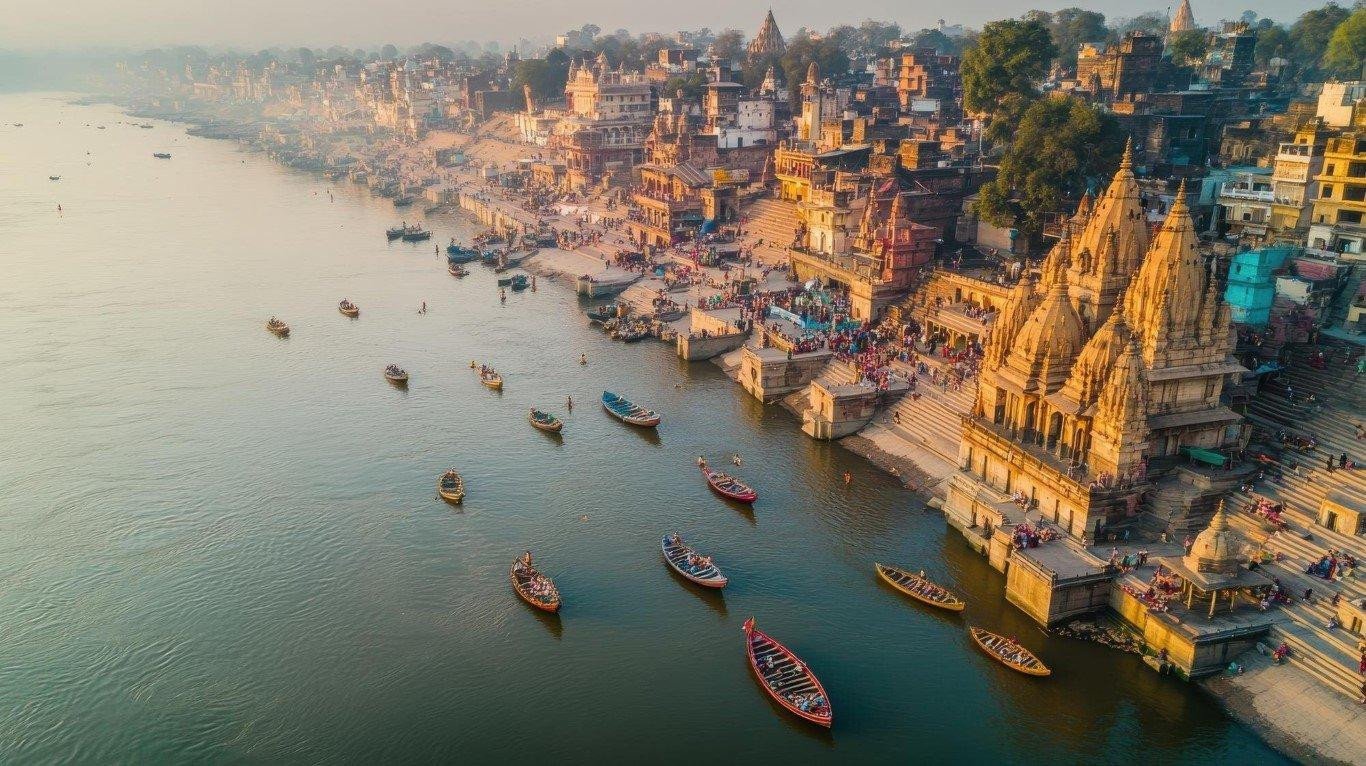
Ayodhya and Varanasi are two of the most important spiritual destinations in Uttar Pradesh, and many travellers choose to visit both cities during the same pilgrimage journey.
Ayodhya is strongly associated with Lord Rama, while Varanasi is famous for Lord Shiva, Kashi Vishwanath Temple and the sacred River Ganga.
A combined journey can include:
Ayodhya
-
Ram Mandir
-
Hanuman Garhi
-
Kanak Bhawan
-
Sarayu Ghats
-
Ram Ki Paidi
Varanasi
-
Kashi Vishwanath Temple
-
Dashashwamedh Ghat
-
Ganga Aarti
-
Assi Ghat
-
Sarnath
If you are planning the Varanasi portion of your journey, read our 15 Best Places to Visit in Varanasi.
You can also explore our Varanasi 2 Days Travel Itinerary.
For a complete pilgrimage covering three major destinations, explore our Ayodhya–Prayagraj–Varanasi Tour.
Frequently Asked Questions
What are the best places to visit in Ayodhya?
Some of the most popular places include Ram Mandir, Hanuman Garhi, Kanak Bhawan, Ram Ki Paidi, Nageshwarnath Temple, Sarayu Ghats, Guptar Ghat and Dashrath Bhawan.
How many days are enough for Ayodhya?
Two days are generally enough for a first trip covering the major temples, Ram Mandir, Sarayu Ghats and other important attractions.
Which place is famous in Ayodhya?
Ram Mandir is the most prominent attraction in Ayodhya. Hanuman Garhi, Kanak Bhawan, Ram Ki Paidi and the Sarayu Ghats are also popular among pilgrims and tourists.
What should I visit first in Ayodhya?
For many first-time visitors, Hanuman Garhi and Ram Mandir are among the main priorities. However, the exact order should depend on current temple arrangements, crowd levels and darshan requirements.
What are the best places to visit near Ram Mandir?
Hanuman Garhi, Kanak Bhawan, Dashrath Bhawan and Sita Ki Rasoi are among the attractions that can be combined with a Ram Mandir visit.
Is Ayodhya good for a family trip?
Yes. Ayodhya can be a suitable destination for families, pilgrims and senior travellers interested in religious and cultural tourism. Plan walking distances and rest breaks according to the needs of your family.
What is Ayodhya famous for?
Ayodhya is famous for its association with Lord Rama, Ram Janmabhoomi, Ram Mandir, ancient temples, Sarayu River and its religious and cultural heritage.
Can Ayodhya and Varanasi be covered in one trip?
Yes. Ayodhya and Varanasi can be combined in a longer Uttar Pradesh pilgrimage itinerary. Prayagraj can also be added to create an Ayodhya–Prayagraj–Varanasi route.
Conclusion
Ayodhya is more than a destination for temple visits. Its ancient religious heritage, Ramayana traditions, temples, riverfront and historic attractions together create a unique spiritual and cultural travel experience.
For a first visit, focus on Ram Mandir, Hanuman Garhi, Kanak Bhawan, Ram Ki Paidi and the Sarayu Ghats. With two days, you can explore additional temples, ghats and nearby attractions at a more comfortable pace.
If you are planning a longer spiritual journey through Uttar Pradesh, Ayodhya can also be combined with Prayagraj and Varanasi.
Explore our Ayodhya 2 Days Itinerary for a practical travel plan or check our Ayodhya–Prayagraj–Varanasi Tour.
Planning an Ayodhya, Varanasi or Prayagraj trip? Explore SWJ Swaraj Tours & Travels tour packages or contact us to plan your journey.