About Kashi Vishwanath Temple
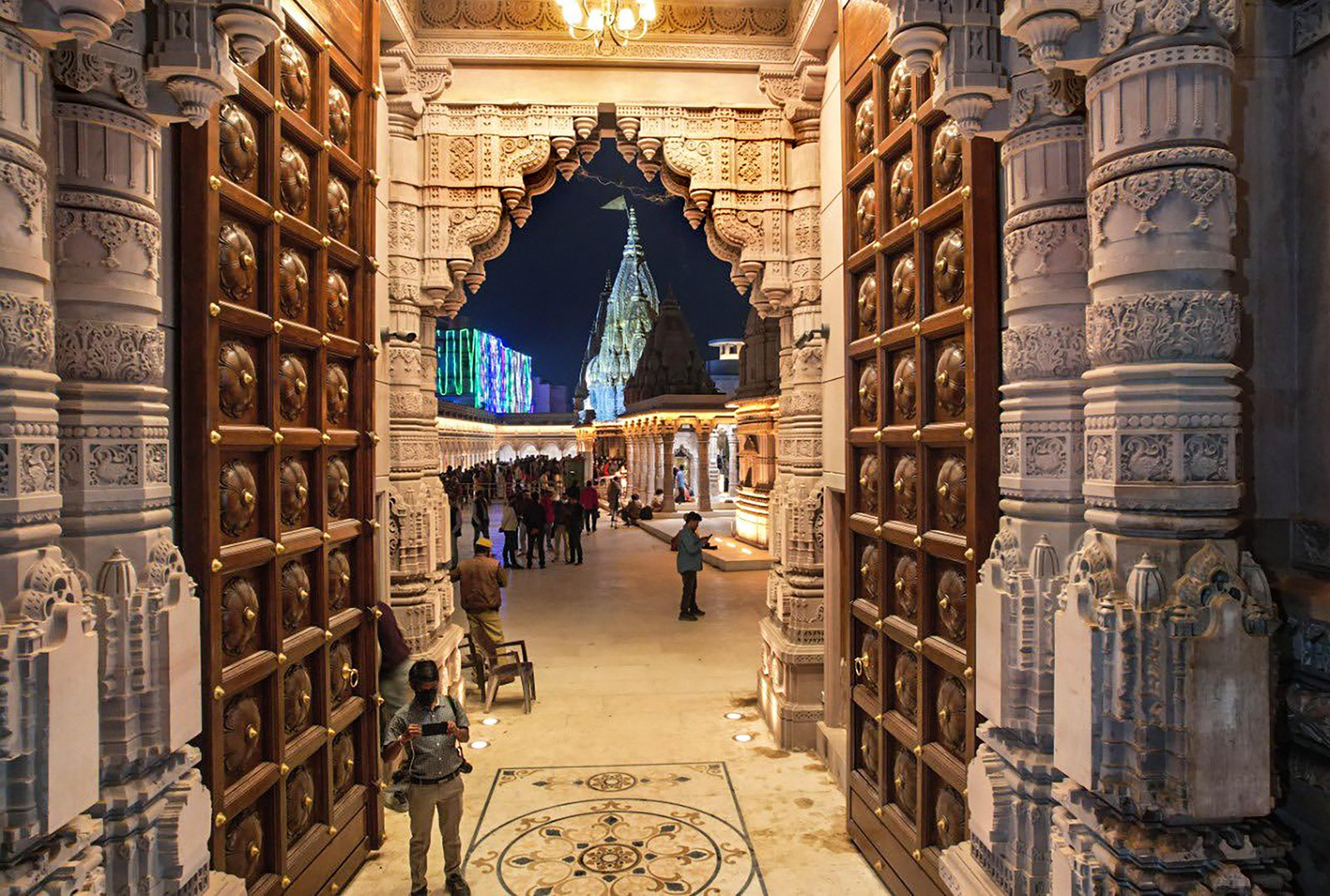
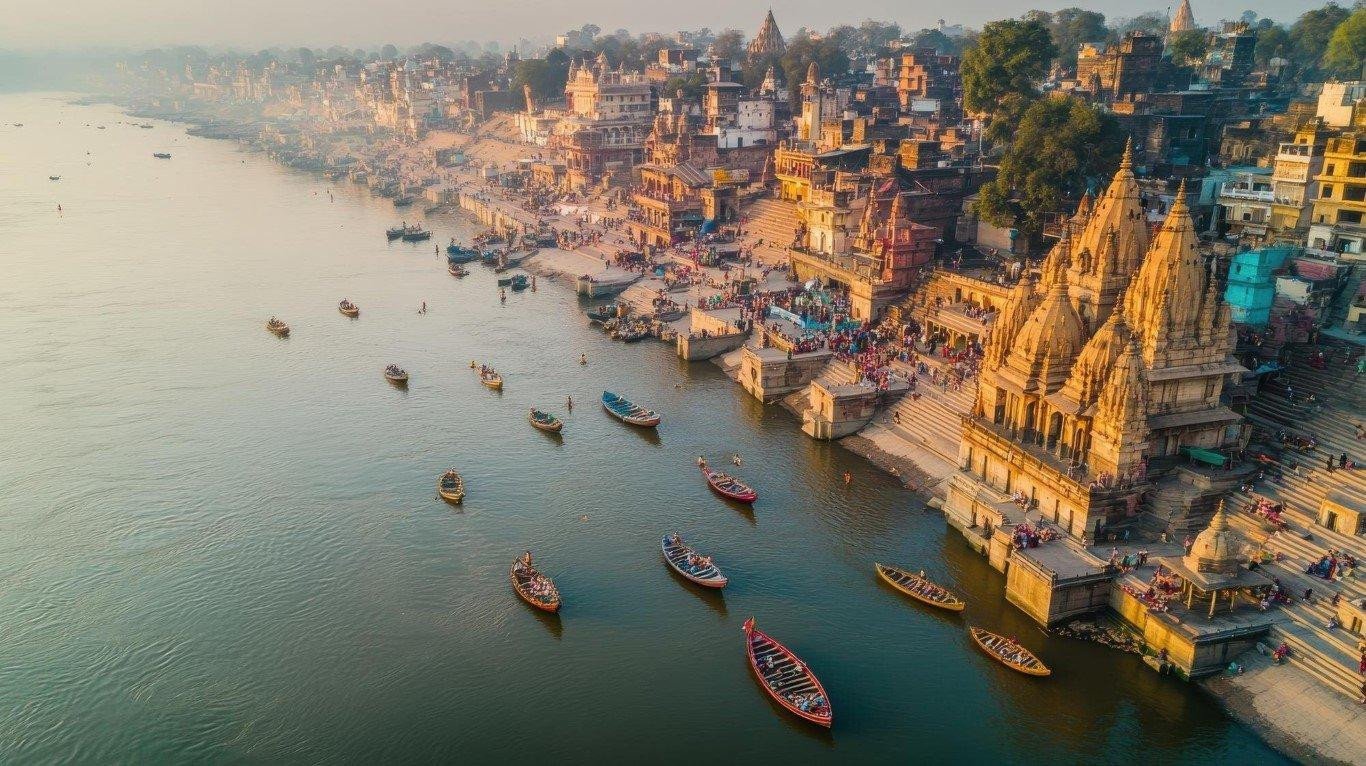
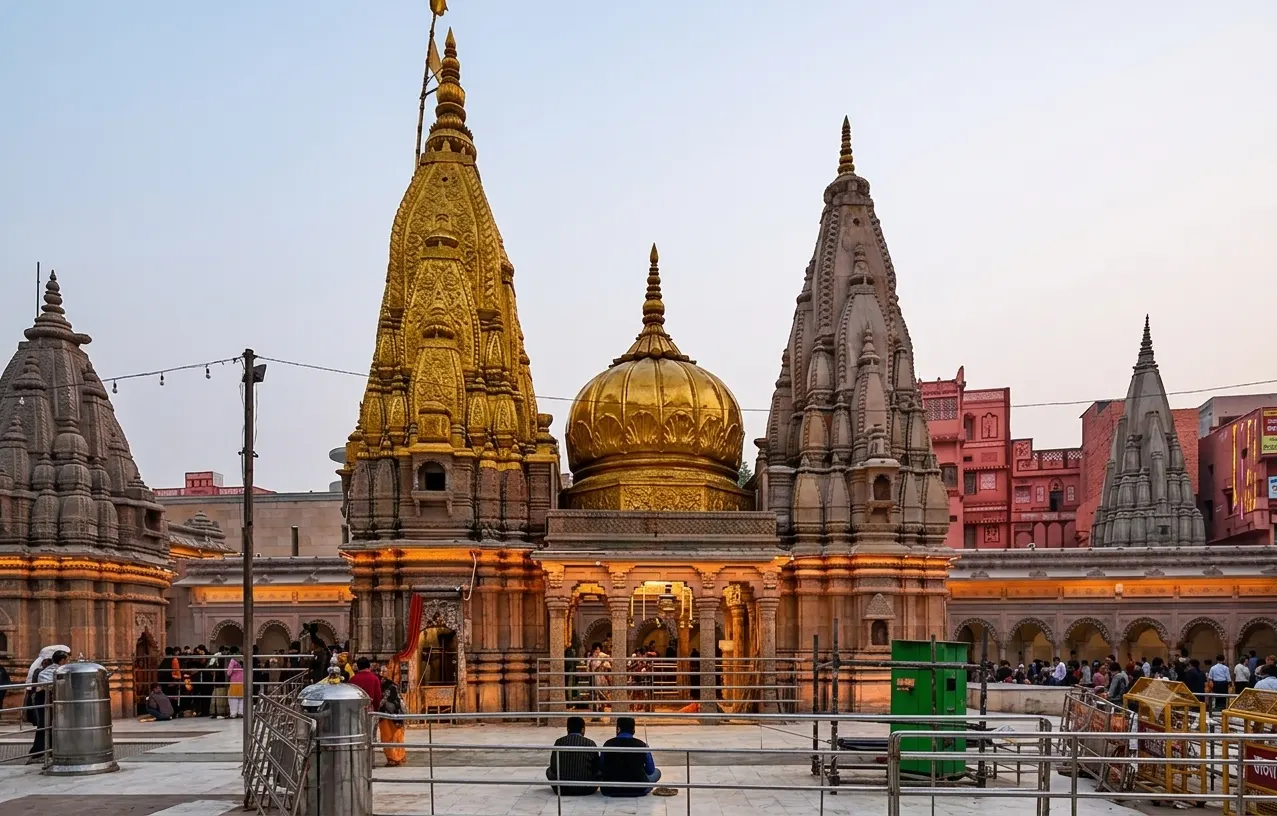
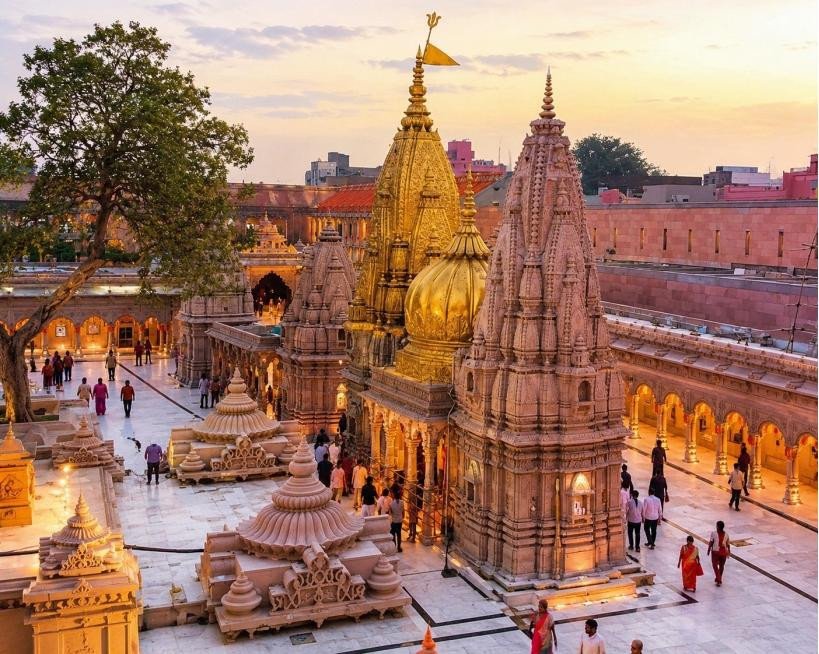
Kashi Vishwanath Temple, also known as Shri Vishwanath Temple or Vishweshwar Temple, is one of the most revered Hindu temples dedicated to Lord Shiva. Located in the ancient city of Varanasi (Kashi), Uttar Pradesh, the temple stands near the western bank of the sacred River Ganga.
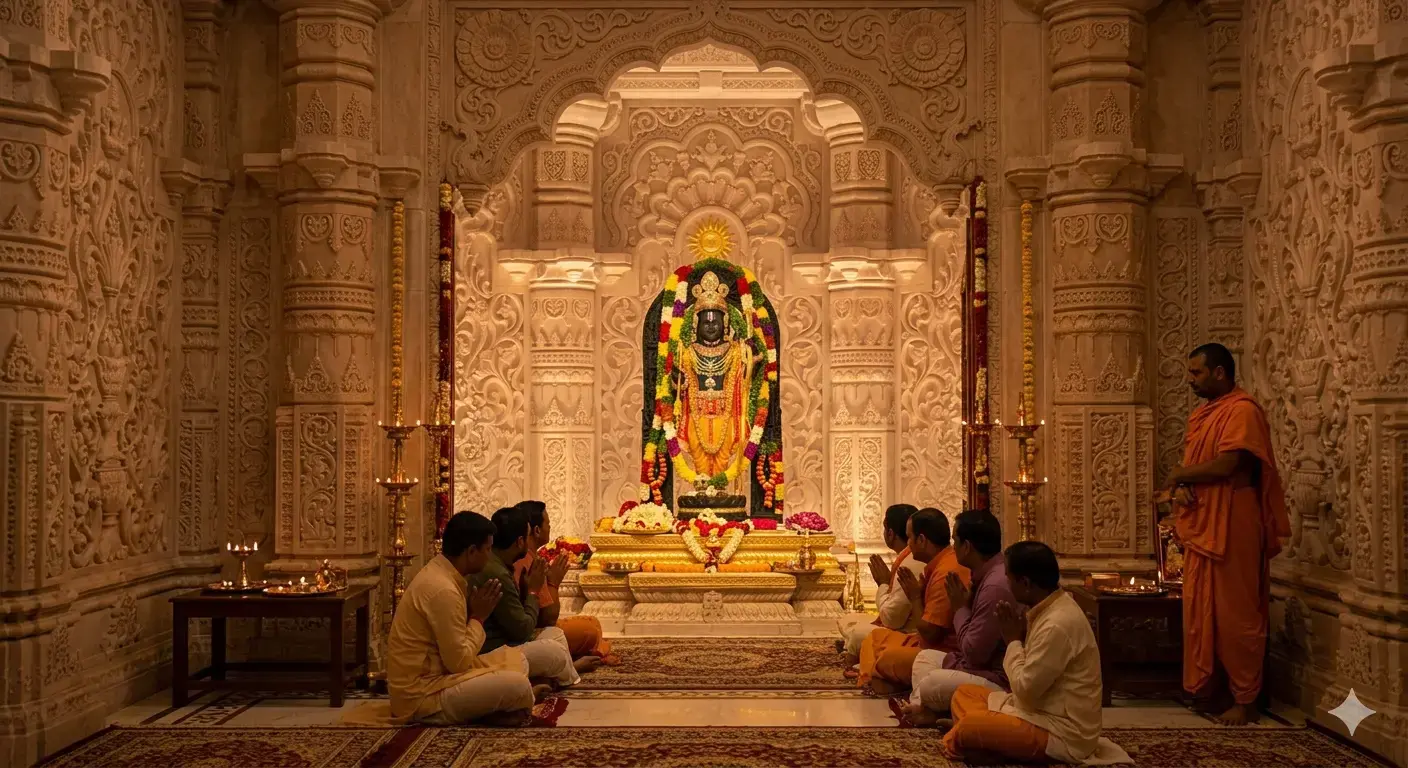
The temple is particularly significant because Kashi Vishwanath Jyotirlinga is one of the twelve Jyotirlingas dedicated to Lord Shiva. For devotees, visiting Kashi and seeking the blessings of Lord Vishwanath is an important spiritual journey.
The name Vishwanath means "Lord of the Universe," while Kashi is the ancient name of Varanasi. Because of this, the temple is popularly known as Kashi Vishwanath Temple.
Kashi is also traditionally regarded as one of the most sacred pilgrimage destinations in Hinduism. The temple and the city have been closely associated with Shaiva traditions, religious learning and pilgrimage for centuries.
Why Is Kashi Vishwanath Temple So Important?
The religious importance of Kashi Vishwanath Temple comes from its association with Lord Shiva and the twelve Jyotirlingas.
According to Hindu tradition, Jyotirlingas are sacred manifestations of Lord Shiva. Kashi Vishwanath is one of these twelve revered Jyotirlinga temples.
The temple is also closely connected with the spiritual identity of Kashi. Hindu traditions describe Kashi as Avimukta, a sacred city associated with Lord Shiva.
For many devotees, a pilgrimage to Kashi includes:
- Kashi Vishwanath Jyotirlinga Darshan
- Ganga Snan
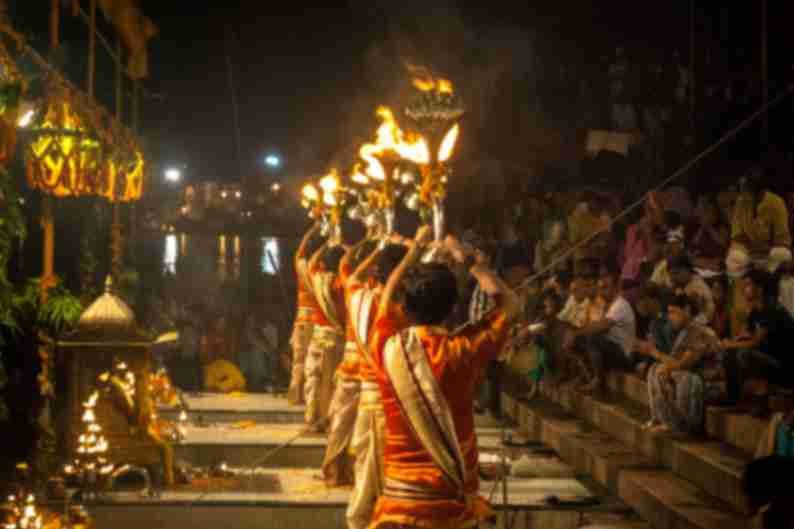
- Ganga Aarti
- Visit to Kal Bhairav Temple
- Visit to Annapurna Temple
- Visit to other sacred temples and ghats
This combination makes a Kashi pilgrimage much more than a single temple visit.
Kashi Vishwanath Temple and the Sacred Ganga
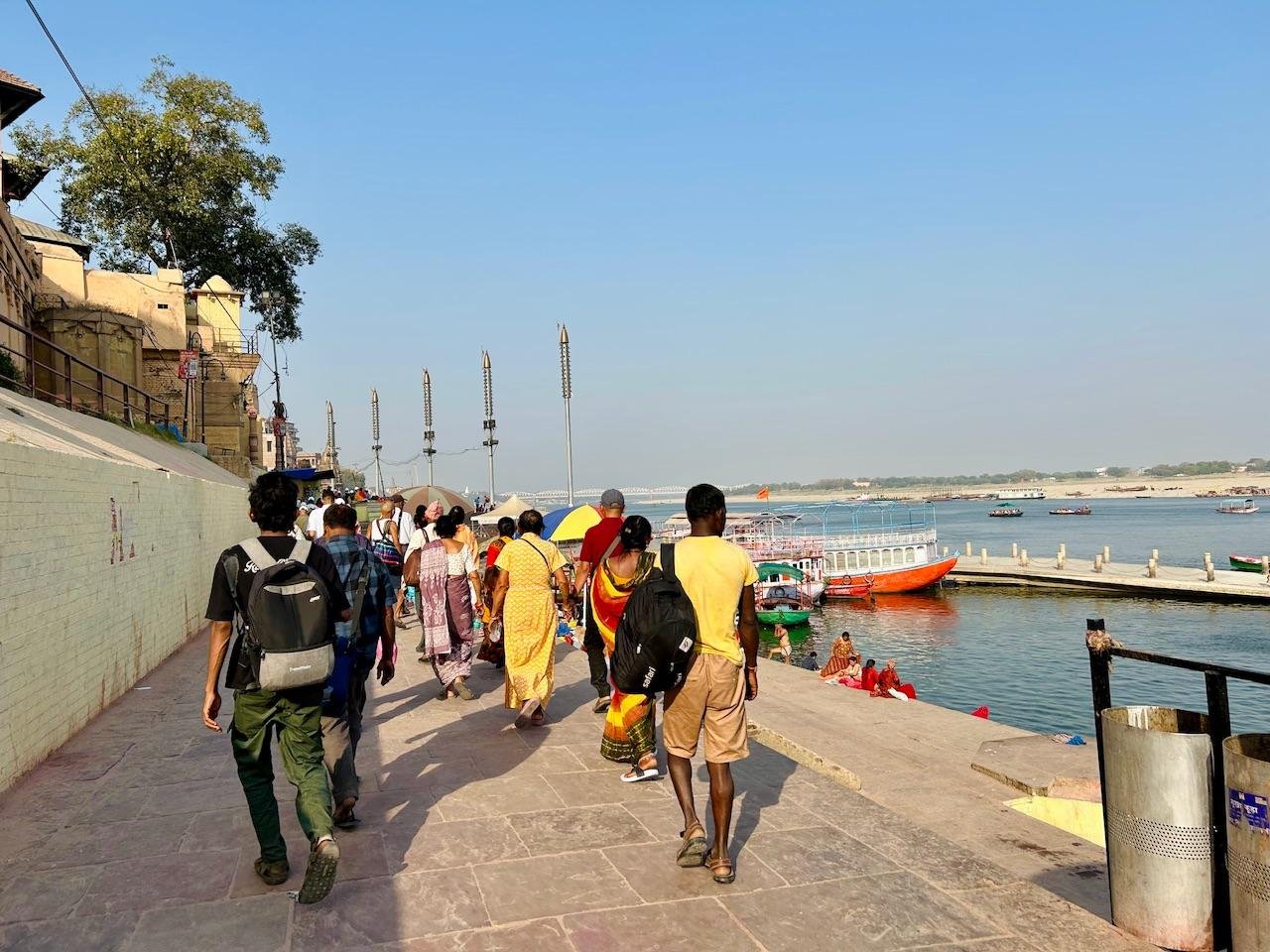
One of the unique aspects of a Kashi pilgrimage is the close relationship between Kashi Vishwanath Temple and the River Ganga.
The temple is located in the old city of Varanasi, close to the sacred river and several famous ghats.
Many pilgrims combine their temple visit with a visit to the Ganga ghats. A common pilgrimage experience includes taking a holy dip in the Ganga, visiting Kashi Vishwanath Temple and attending the evening Ganga Aarti.
For travellers interested in the spiritual side of Varanasi, this combination offers a deeper understanding of the religious traditions of Kashi.
History of Kashi Vishwanath Temple
Kashi Vishwanath Temple has a long and complex history, with the temple being rebuilt and renovated at different points over the centuries.
The present temple structure is generally associated with Maharani Ahilyabai Holkar, who commissioned its construction in 1780.
Later, Maharaja Ranjit Singh contributed gold for the temple's domes in the 19th century.
The history of the temple is closely connected with the wider history of Varanasi, its rulers, religious traditions and pilgrimage culture.
Because the history of the site spans many centuries, different historical and religious sources describe different phases of its development. For a travel article, it is better to present these facts carefully rather than making unsupported claims.
Maharani Ahilyabai Holkar and Kashi Vishwanath Temple
Maharani Ahilyabai Holkar played an important role in the restoration of the Kashi Vishwanath Temple.
The present temple structure was constructed under her patronage in 1780.
Her contributions to important Hindu pilgrimage sites across India are well known, and the Kashi Vishwanath Temple remains one of the most prominent examples associated with her architectural and religious patronage.
Kashi Vishwanath Temple and Maharaja Ranjit Singh
Another important historical connection is with Maharaja Ranjit Singh, the Sikh ruler of the Punjab region.
In the 19th century, Maharaja Ranjit Singh contributed gold for the temple's domes. The golden appearance of the temple has since become one of its most recognizable visual features.
This historical connection also reflects the wider tradition of different Indian rulers and communities contributing to important pilgrimage centres.
Spiritual Significance of Kashi
Kashi has a unique place in Hindu religious tradition.
Ancient Hindu texts and traditions describe Kashi as a sacred city associated with Lord Shiva. The city is also known as Avimukta, a name connected with the belief that Lord Shiva never abandons Kashi.
For devotees, Kashi Vishwanath is therefore not simply a historical monument. It is an active place of worship and pilgrimage where people come to seek spiritual blessings.
Traditional beliefs also associate dying in Kashi and attaining liberation, or moksha, with the special spiritual significance of the city. These are matters of religious belief and should be presented as such rather than as a factual guarantee.
Famous Spiritual Figures Associated with Kashi
Kashi has attracted saints, scholars and spiritual figures for centuries.
The wider religious history of Varanasi is associated with figures such as:
- Adi Shankaracharya
- Sant Eknath
- Goswami Tulsidas
- Other saints, scholars and spiritual teachers
The city's association with Sanskrit learning, philosophy, Shaiva traditions and devotional practices has contributed to its reputation as an important spiritual centre.
Kashi Vishwanath Temple in a Varanasi Pilgrimage
A visit to Kashi Vishwanath Temple can be combined with several other important places in Varanasi.
Suggested pilgrimage route
Kashi Vishwanath Temple → Annapurna Temple → Kal Bhairav Temple → Dashashwamedh Ghat → Ganga Aarti
If you have more time, add:
Assi Ghat → Sankat Mochan Temple → Sarnath
This makes the temple visit part of a broader Varanasi spiritual tour rather than a standalone sightseeing stop.